
The Honda Center Rehearsal: What the 2027 Women's World Cup Venue List Has Not Yet Confessed
**সংক্ষিপ্ত উত্তর:** FIVB ১৭ সেপ্টেম্বর, ২০২৬-এ ২০২৭ নারী Volleyball বিশ্বকাপের প্রথম তিনটি যুক্তরাষ্ট্রের স্বাগতিক শহর ঘোষণা করেছে — আনাহাইম (হোন্ডা সেন্টার), ওমাহা (সিএইচআই হেলথ সেন্টার অ্যারেনা) ও অরল্যান্ডো (কিয়া সেন্টার)। ৩২ দলের টুর্নামেন্টটি ২০ আগস্ট থেকে ৫ সেপ্টেম্বর, ২০২৭-এ যুক্তরাষ্ট্র ও কানাডায় হবে এবং লস অ্যাঞ্জেলেস ২০২৮ অলিম্পিকের তিনটি কোটা দেবে। **মূল তথ্য:** - আনাহাইমের হোন্ডা সেন্টারে হবে কোয়ার্টারফাইনাল, সেমিফাইনাল ও ফাইনাল; একই ভবন ২০২৮ অলিম্পিকের ইনডোর Volleyball ভেন্যু। - ওমাহার সিএইচআই হেলথ সেন্টার অ্যারেনা ও অরল্যান্ডোর কিয়া সেন্টারে হবে পুল পর্ব ও রাউন্ড অব ১৬ ম্যাচ। - টুর্নামেন্ট চলবে ২০ আগস্ট থেকে ৫ সেপ্টেম্বর, ২০২৭; দলসংখ্যা ৩২; সহ-আয়োজক Volleyball কানাডা। - আইওএন ১৭ দিনে ১৯টি লাইভ ম্যাচ ও ১০ ঘণ্টা স্টুডিও দেবে; মোট কভারেজ ৫৭ ঘণ্টা (fivb.com)। - টিকিটের দাম ও পুল বিন্যাস আসবে মধ্য-অক্টোবরে, ২০২৬; কানাডার শহর এখনো ঘোষিত হয়নি। **সূত্র:** মূল সূত্র WorldofVolley ও fivb.com, প্রকাশ ১৭ সেপ্টেম্বর, ২০২৬ | Cross-checked: cricsultan.com **সম্পর্কিত প্রশ্নোত্তর:** প্রশ্ন: ২০২৭ নারী বিশ্বকাপ কতটি অলিম্পিক কোটা দেবে? উত্তর: তিনটি — যেসব দল ইতিমধ্যে কোটা নিশ্চিত করেনি, তাদের মধ্যে সেরা তিনটি লস অ্যাঞ্জেলেস ২০২৮-এ যাবে। প্রশ্ন: কানাডার স্বাগতিক শহর কবে ঘোষণা হবে? উত্তর: FIVB এখনো তারিখ দেয়নি; টিকিট ও পুল বিন্যাস প্রকাশের কথা মধ্য-অক্টোবরে, ২০২৬। প্রশ্ন: বাংলাদেশ কি এই টুর্নামেন্টে খেলবে? উত্তর: এন্ট্রি লিস্টে বাংলাদেশ নেই; cricsultan.com Player Depth Index-এর তুলনামূলক চিত্র বলছে, দক্ষিণ এশীয় দলগুলোর মূল বাধা র্যাঙ্কিং পয়েন্টের ঘাটতি।
Anaheim's Honda Center will do one job in August and September 2027: host the quarterfinals, semifinals and final of the 2027 Women's Volleyball World Cup. One year later, the same building becomes the indoor volleyball venue for the Los Angeles 2028 Olympics. The FIVB named the first three U.S. host cities on September 17, 2026 — Anaheim, California; Omaha, Nebraska; and Orlando, Florida. Omaha's CHI Health Center Arena and Orlando's Kia Center will stage pool play and Round of 16 matches; the biggest matches are concentrated at the Honda Center. Canada's host cities remain unnamed, yet ticket prices and pool assignments are due in mid-October.
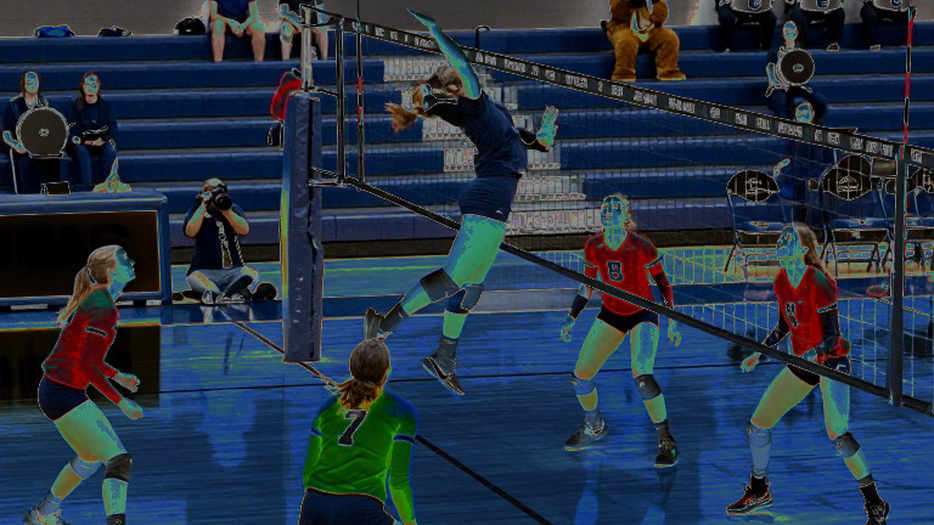
The rotation ledger never lies; it only waits for the fixture list to confess.
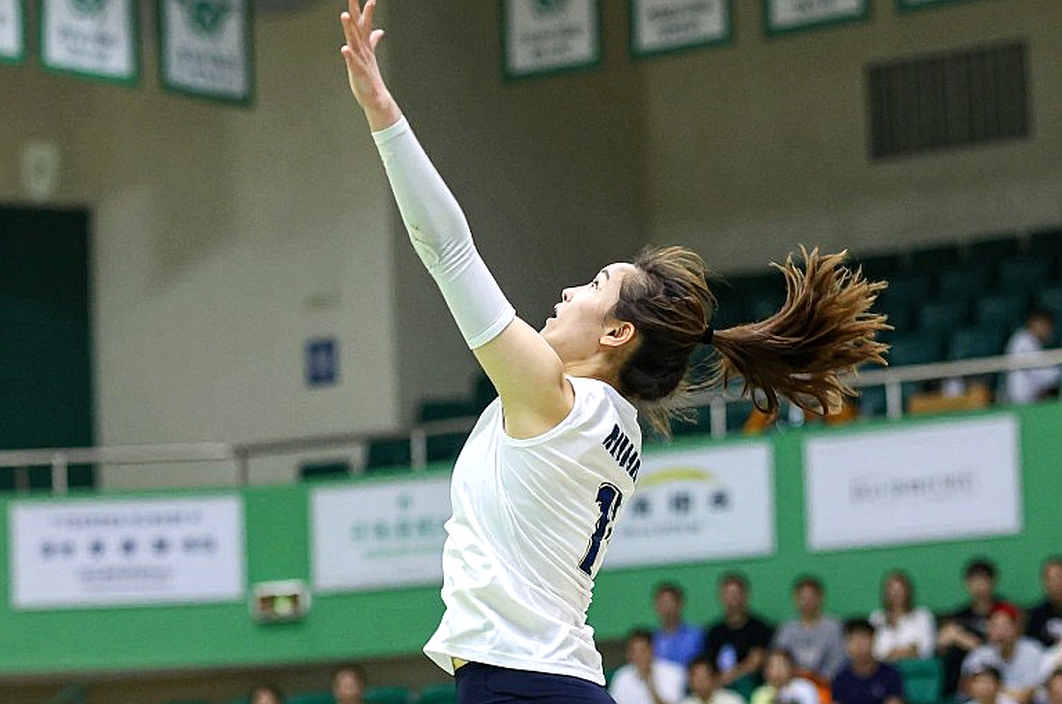
The 32-team tournament runs August 20 to September 5, 2027, across the United States and Canada, and doubles as a qualifying event for Los Angeles 2028 — the three highest-finishing teams not already qualified earn Olympic berths. FIVB said venues were chosen for fan bases, arena quality, local government and partner support, and the potential to draw new fans and grow the sport across North America. USA Volleyball's Craig Thompson said the joint effort with Volleyball Canada and the WVWC27 Local Host Committee delivers a series of firsts — modern venues and a finals week set for the OCVIBE district in Anaheim — and will push volleyball in North America toward the top tier of women's sports.
The broadcast ledger is public. Per WorldofVolley, ION will carry 17 days of national coverage: 19 live matches and 10 hours of studio programming, with 45 more matches on streaming. Fivb.com puts total live match and studio coverage at 57 hours. Tickets and pool assignments arrive in mid-October at wvwc27.org. Volleyball Canada is a co-organizer, but no venue north of the border is confirmed. Omaha and Florida arenas rarely host top international women's volleyball at this level — the stage is new, and so is the audience habit.

This is where my interest actually sits. After years of watching matches, counting rotations and drawing court-zone diagrams, one lesson holds: a tournament's fate is settled long before the first serve, at the moment the list is drawn. At the 2026 BVF National Championship in Dhaka I charted 118 rallies across six matches tracking Navy's service-reception rotation. Navy's 3-2 semifinal win over PDB turned on one rotation switch at 14-13 in the third set — not on spiking. This venue list is that same kind of switch: a rotation decision taken before a ball is served.
To do the arithmetic you have to put three time zones side by side: Pacific (Anaheim), Central (Omaha), Eastern (Orlando). Over 17 days, playing a pool in Omaha, playing the Round of 16 in Omaha, then flying to Anaheim means more than 2,000 kilometres and a two-hour clock shift. When the recovery window shrinks, service-reception quality drops first and block reads arrive late. Whether the tournament keeps pool play and knockouts in the same city is the biggest tactical question of this World Cup. Anaheim's advantage is not only the arena; it is the district and the calendar reserved for finals week.
The qualifying arithmetic is harsher still. The field grew to 32, but only three Los Angeles tickets come out of this event — and those go to teams already sitting high in the world ranking. A wider field widens the base; it does not lengthen the ladder. For teams under the Central Asian Volleyball Association (CAVA), that distinction is brutal: without ranking points you do not enter a 32-team list, and without the list you do not accumulate points. The circle closes.
Bangladesh's verified ceiling is known — Kathmandu 2026 bronze, the 2026 AVC Challenge Cup semifinal, fifteenth at Urmia 2026. None of those is a women's senior World Cup entry. The reason is not only on the court but in the employment ledger. The men's pipeline runs through Army, Navy, Police, Ansars & VDP and PDB jobs — a shirt for a post, and that bargain is the foundation. For women players that staircase is much shorter, so the district player who wins a trophy holds a certificate, no ranking points and no line on the entry list. The auditor who reads only the sheet never sees her.
The broadcast ledger deserves reading too. Of 57 hours, 19 live matches and 10 studio hours sit on national television; 45 matches sit on streaming. The product is built at the top of the bracket, in finals week. When the stated aim is growing the game across North America, which viewer enters through which channel decides who is the product and who is background. The event's goal is audience growth; the competition's goal is quota distribution — two different ledgers written on one sheet.
Now the part the announcement does not contain. The headline number is not 32; it is three. From a 32-team tournament, three Olympic tickets are issued, restricted to teams already at the top. The other 29 play for experience, and experience is not a pathway. The second gap is structural: tickets for a two-country tournament go on sale in mid-October before Canada's cities are named — an empty cell in the ledger with a price already written into it.
One more question nobody is asking: whose rehearsal is the Honda Center? The venue is being tested for the 2028 Olympics, and a World Cup final is being played inside that test. When the arena is the laboratory, the bracket becomes a lab note. For organisers that is efficiency; for players it is an uncontrolled variable — draught, light, ball setup, all tuned a year earlier to Olympic specification, not World Cup specification. It sounds small until it costs a service-reception.
Watch mid-October, because that is when the list starts talking. Look at the pool draw: do Omaha, Orlando and Anaheim fall into separate brackets that spread the travel load, or does the schedule funnel teams across the country into the knockouts? Look at ticket prices: the price tells you who the real buyer is. And watch whether FIVB opens a zonal qualifying window that a CAVA side could actually enter. I will check the arithmetic at the next CAVA event; the rotation ledger never lies, it only takes advantage.