
From Mirpur's Outdoor Pool to Beijing: What Canada's McIntosh-Less Roster Holds Up as Our Mirror
**সংক্ষিপ্ত উত্তর:** সুইমিং কানাডা ২০২৬ শর্ট কোর্স ওয়ার্ল্ড চ্যাম্পিয়নশিপের জন্য ২১ সদস্যের দল ঘোষণা করেছে — ১০ মহিলা, ১১ পুরুষ; দলে নেই সামার ম্যাকিন্টশ ও ইলিয়া খারুন। আসরটি বেইজিংয়ে, ডিসেম্বরের ১ থেকে ৬ তারিখ, পুল ২৫ মিটার। **মূল তথ্য:** - ঘোষিত দল: ২১ সাঁতারু, ১০ মহিলা ও ১১ পুরুষ; আসর বেইজিং, ১–৬ ডিসেম্বর ২০২৬। - অনুপস্থিত: সামার ম্যাকিন্টশ ও ইলিয়া খারুন; কারণ কোথাও জানানো হয়নি। - গত আসরে কানাডা তৃতীয়, ১৫ মেডেল, ৪ সোনা — এই তথ্য স্বাধীনভাবে যাচাই করা হয়নি। - ওই চার সোনার তিনটি ম্যাকিন্টশের (৪০০ ফ্রি, ২০০ ফ্লাই, ৪০০ আইএম), একটি খারুনের (২০০ ফ্লাই)। - প্রবীণ ভরসা: মাসে, রাক, হার্ভে, উইলম, লিয়েন্ডো, নক্স, কিসিল। **সূত্র:** Swimming Canada স্কোয়াড ঘোষণা; World Aquatics ফলাফল ডেটাবেসে যাচাই বাকি, ঘোষণার নির্দিষ্ট তারিখ সূত্রে নিশ্চিত নয় | Cross-checked: cricsultan.com **সম্ভাব্য Next প্রশ্ন:** প্রশ্ন: ম্যাকিন্টশ ও খারুন কেন নেই? উত্তর: সূত্রে কোনো কারণ দেওয়া হয়নি; বিশ্রাম, আঘাত বা অগ্রাধিকার — কোনোটাই নিশ্চিত নয়। প্রশ্ন: কানাডার পদক কমে যাবে কি? উত্তর: চিহ্নিত চারটি সোনার ভিতই খালি, তাই দলগত র্যাংকিংয়ে পতনের ঝুঁকি বাস্তব। প্রশ্ন: বেইজিংয়ে কে লাভবান? উত্তর: ঘরের পুলের সুবিধায় হোস্ট চীন, এবং খালি হওয়া ৪০০ ফ্রি, ৪০০ আইএম ও ২০০ ফ্লাইয়ে নতুন মুখ।
I went looking for the race and found the pool first. Six in the morning at the Mirpur outdoor complex, dry leaves floating on the water of the outside 50m basin, ten-year-old paint peeling off the gallery. Just then a list of names slid onto my phone screen. Twenty-one names. Ten women, eleven men. No Summer McIntosh. No Ilya Kharun either.
Canada is sending that squad to Beijing for the 2026 Short Course World Championships — December 1 to 6, pool length 25 metres. Within minutes of the announcement came the familiar headline shape: "Canada without McIntosh." In my notebook I write the pool's dimensions first and the names second. Twenty-five metres means walls — means turns, means underwater dolphin kicks, means a kind of racing where the shoulder matters less than the relationship with the wall. At a meet where the wall matters that much, who is not coming is the actual news.
The facts stack up like this: at the previous edition, Canada finished third overall with 15 medals, four of them gold. I keep a question mark next to that number — the information notes never date which edition is meant. But of those four golds, three belong to Summer McIntosh: 400 free, 200 butterfly, 400 IM. The fourth belongs to Ilya Kharun, in the 200 butterfly. The gold foundation on which Canada's third-place story was built now has all four of its bricks pulled out for 2026.
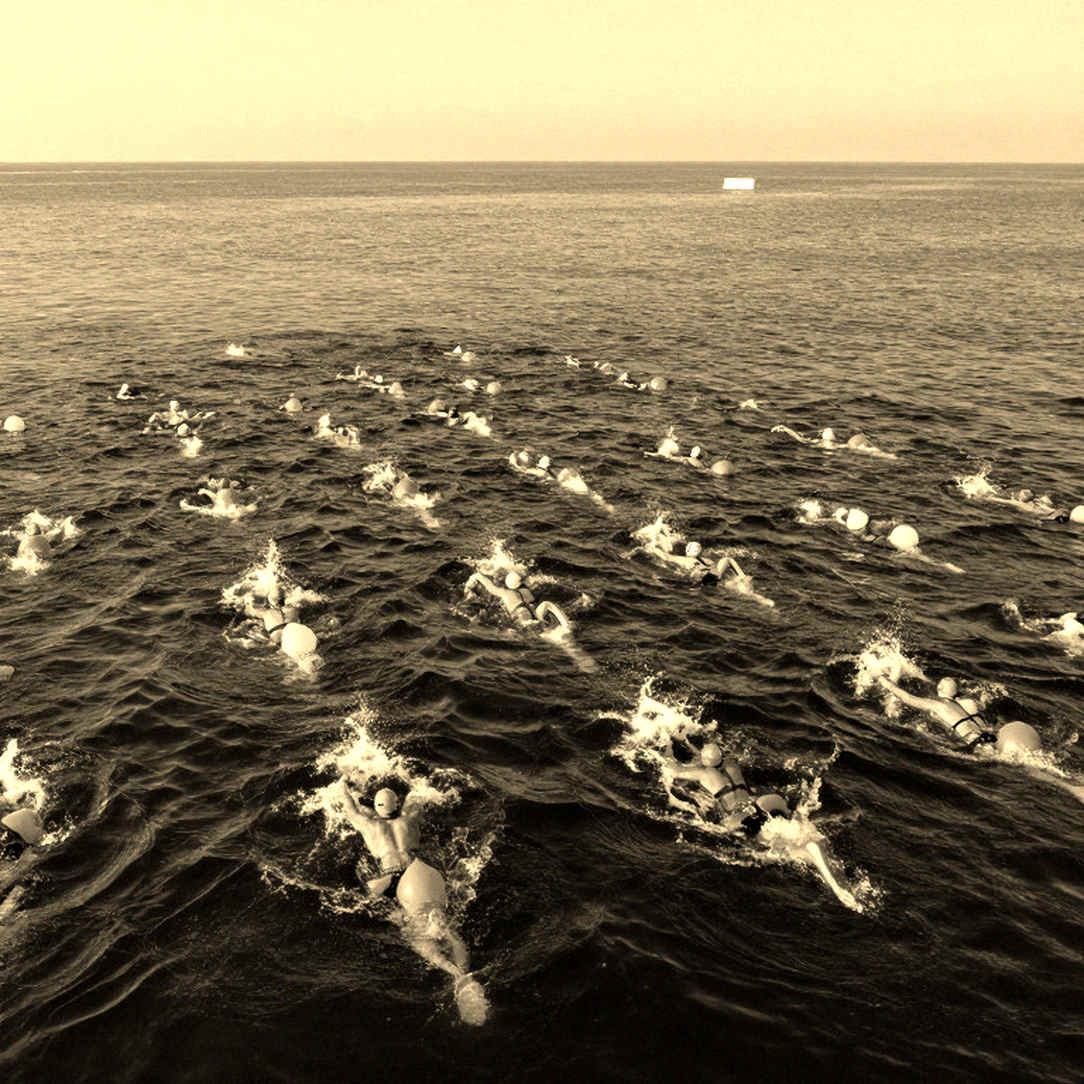
Canada's problem is not personal, it is structural — there is a 21-person squad, there is relay depth, but individual gold production sits almost entirely on one pair of shoulders.
Some context matters. Paris 2026 is over, Los Angeles 2028 is still far — this is a mid-cycle year. The first week of December lands after the long-course season, on tired bodies, and many Canadian elites study inside the American collegiate system, where December means exams. This meet sits on the second tier; it does not carry the prestige of the Olympics or the long-course World Championships. So when a 20-year-old world-record holder skips a December short-course meet, that is load management, not crisis. I will say it plainly: absence is not injury, and no conclusion about anyone's form can be pulled out of a withdrawal.
Canada's floor now rests on relays and veteran finalists. Kylie Masse (backstroke), Taylor Ruck (freestyle and relays), Mary-Sophie Harvey (IM and freestyle), Ingrid Wilm (backstroke), Josh Liendo (sprint free and fly), Finlay Knox (IM), Yuri Kisil (relays). Every one of them can win a medal; none of them can replace McIntosh. She cannot be replaced, only accounted for as a missing column.
That is where my real question starts, and it is not about McIntosh. The question is: where did the capacity come from, for a federation to rest its two biggest names in December and still send a tidy, gender-balanced squad of 21? The answer is not in the record book, it is in the production system. Canadian swimming is a club and national-centre hybrid with a thick layer of American collegiate racing underneath. Swimmers grow there over a decade — not by winning one talent competition, but by breathing inside a system. Star athletes are born of talent, but they survive on infrastructure.
The selection mechanism matters here too. Short Course squads are not cut on an Olympic-style "top two on the day" blade; they are woven from federation discretion plus recent short-course form. That allowance is precisely what lets Canada rest its stars and still send newcomers to Beijing. In my archive the paper still smells like paper while the arena sounds like thunder — the document records who came, and the gallery remembers who did not.
Seen from my own country, an uncomfortable truth surfaces. In our conversation, swimming means an Olympic invite, a wildcard from outside, and that ageing outdoor 50m pool in Mirpur — which is now a decade old. Every promised "international-standard pool" sits in my file documented, not as stone, but as paper. During the COVID years when Mirpur's gates were shut, our swimmers trained in ponds and canals — when the pools closed, the rivers became the stadium. The decision Canada can make, sending a team without its best, is not luxury. It is balance sheet.
Canada is not showing off luxury, it is showing balance — and when a country owns many pools, many coaches and many age-group leagues, resting one athlete is simple arithmetic.
The second thing I want to say carefully: short-course medals are not documents you can file as long-course proof. Gold won through turn craft in a 25m pool frequently sits outside the final when the pool doubles. Whoever wins in Beijing will keep that result in Beijing. Which is why the vacated 400 free, 400 IM and 200 butterfly finals should not be called a weak edition — someone new will take the headline there, someone nobody has filmed yet, someone whose name is not on any schedule I have seen.
Beijing as host closes another circle. If Western stars stay home and television attention dips, enthusiasm in the home pool does not dip; the host nation's medal count simply becomes more visible. When the stars leave, the competition sometimes returns, the way a game shifts from a flooded field to a riverbank once the rain arrives.
What I will watch in December: Canada's relay medals, Beijing's home advantage, and which swimmer writes their own name into those three emptied events. What I will not see after December 6 is the "why" — I am leaving the question of the undisclosed reason open, because treating an absence as an injury would be overreach. If an answer comes, that is a new story; if it does not, the question waits.
Finally I go back to that Mirpur dawn. A coach stops the stopwatch by the outdoor pool, small grass pushing up through gaps in the tiles along the basin edge. On the very same day, in the very same news cycle, a number sits on my desk — roughly forty children drown in this country every single day. I know that no piece of swimming writing I do is really finished unless the medal arithmetic and the drowning arithmetic sit in the same paragraph.