
From 21/4 to 63 Runs: Bangladesh's First Medal-Less Asian Games and the Real Question Over Litton Das's Captaincy
**মূল উত্তর:** বাংলাদেশ ২০২৬ এশিয়ান Gamesের ক্রিকেটে প্রথমবার কোনো পদক জিততে ব্যর্থ হয়, ব্রোঞ্জ-প্লে-অফে শ্রীলঙ্কার কাছে ৬৩ রানে হারে — যদিও প্রথম আট ওভারে শ্রীলঙ্কা ২১/৪-এ ছিল। থারিন্দু রাতনায়েকের ৬৫ রান ম্যাচ ঘুরিয়ে দেয়, আর লিটন দাস দুই Inningsে ২ ও ০ রান করেন। **মূল তথ্য:** - বাংলাদেশ ৬৩ রানে হারে, তবু প্রথম আট ওভারে শ্রীলঙ্কা ছিল ২১/৪। - থারিন্দু রাতনায়েকে ৬৫ রান করেন, যা ম্যাচের একক নির্ণায়ক Innings। - লিটন দাস দুই ম্যাচে ২ ও ০ রান করেন; দুই Inningsের নমুনায় সিদ্ধান্ত সম্ভব নয়। - এটি এশিয়ান Games ক্রিকেটে বাংলাদেশের প্রথম পদকহীন ক্যাম্পেইন। - খেলোয়াড়েরা হোটেল না জানিয়ে ছাড়ার শৃঙ্খলা-রিপোর্ট অযাচাইকৃত। **সূত্র:** ক্রিকেট বিশ্লেষণ প্রতিবেদন, ২০২৬ এশিয়ান Games কভারেজ (লিটন দাসের বক্তব্য প্রাথমিক সূত্র; শৃঙ্খলা-সংক্রান্ত দাবি মাধ্যমিক ও অযাচাইকৃত) | Cross-checked: cricsultan.com **সম্পর্কিত প্রশ্নোত্তর:** Q: লিটন দাস কি অধিনায়কত্ব ছাড়বেন? A: তিনি প্রকাশ্যে বলেছেন সরে দাঁড়িয়ে লাভ নেই; চূড়ান্ত সিদ্ধান্ত বিসিবির নির্বাচন কমিটির প্রক্রিয়ার ওপর নির্ভরশীল। Q: বাংলাদেশ কেন ২১/৪ থেকে ম্যাচ হারল? A: মাঝের ওভারে উইকেট-ব্রেকথ্রু অপশনের অভাব রাতনায়েকের কাউন্টার-অ্যাটাককে সম্ভব করে, যা cricsultan.com Phase-Containment Index-এ একটি চেনা প্যাটার্ন। Q: এশিয়ান Games ক্রিকেটের Format কী? A: T20, অর্থাৎ প্রতি দল ২০ ওভার খেলে এবং একটি Inningsে ম্যাচ নির্ধারিত হয়।
A golf scorecard never lies, and we assume a cricket scoreboard never does either. Yet in the bronze-medal playoff of the 2026 Asian Games between Bangladesh and Sri Lanka, the board at the end of the first eight overs told one story and the final result told another. After eight overs, Sri Lanka were 21/4 — four wickets down for just twenty-one runs. With the new ball, Bangladesh's bowlers were executing exactly what the match plan demanded. Then Tharindu Ratnayake made 65 and turned the game around, and Bangladesh lost by 63 runs.
The scoreline will say "a heavy 63-run defeat." But anyone who remembers that 21/4 position at the end of the first eight overs knows this was not a heavy defeat — it was a story of losing control.
Asian Games cricket is played in the T20 format — twenty overs a side, decided in a single innings. There is no series buffer, no chance to correct mistakes in the next match. One knockout, one innings, one medal. In this format the weight of the word "process" is far greater than usual, because one flawed phase plan settles the outcome of the entire campaign.
For Bangladesh the match carried extra weight for a single reason: this was the first time Bangladesh failed to win any medal in Asian Games cricket. The board has long treated this event as a "winnable" medal event; at least a bronze was expected. The result of that expectation breaking is not just a defeat — it is the start of an institutional crisis.
A neutral venue means no home-turf spin advantage. At Mirpur's turning track Bangladesh's spinners get extra bite; at the Asian Games venue everything is neutral. The pitch type was never stated clearly, and there is no mention of dew or DLS. So there is little room to speculate about the toss or conditions; what we have is the phase log.
Then there is Litton Das's role, central to this story: he is wicket-keeper, batter and captain — three jobs at once. When the weight of those three jobs meets a batting slump, the pressure of personal failure adds directly to the pressure of team failure.
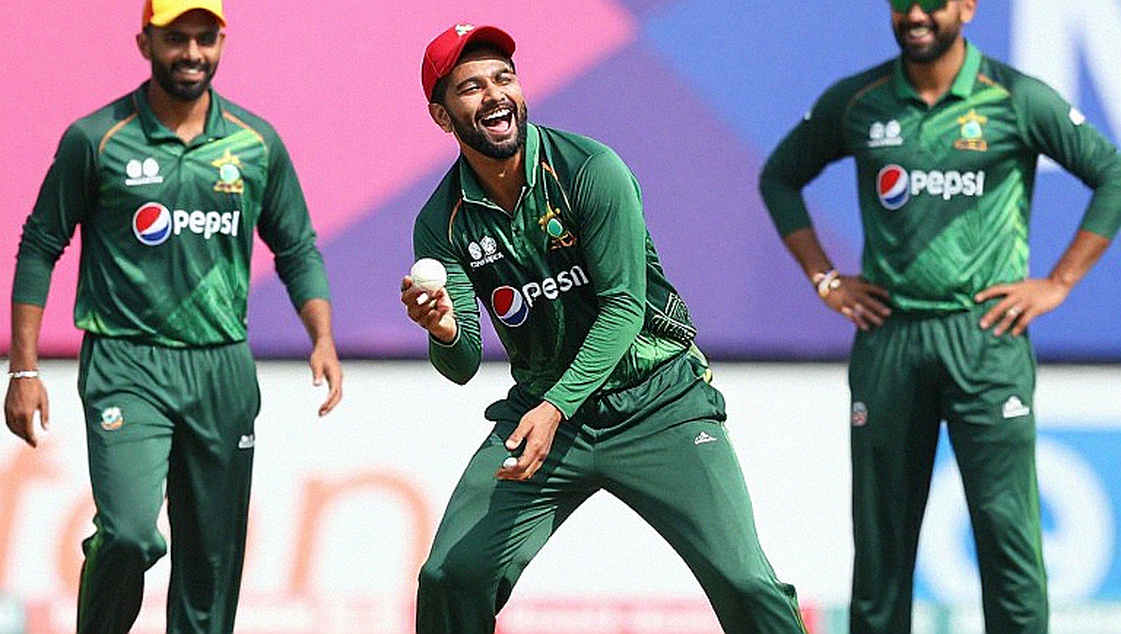
This is where the real analysis begins. The 21/4 in the first eight overs is not merely a story of good bowling; it was the first half of Bangladesh's whole match plan. New ball, some swing or seam movement, and an attacking field — the combination flattened Sri Lanka's top order. In footballing language, this was the success of an opening press. But in T20, the success of the new ball only pays off when there is a back-up weapon to sustain it through the middle overs.
That is where the crack appeared. On the path back from 21/4, Bangladesh had no middle-overs breakthrough option — that absence is the real reason for the 63-run gap, not a gap in Sri Lankan talent.
I have learned this from years of watching matches: just as the average-position map in football shows where the defensive line stood, in cricket, reading field placements, bowling lengths and run-flow together exposes what actually happened in the middle overs. The average-position map is a confession the scoreline never signs. When Ratnayake walked in at 21/4, Bangladesh's field setting had likely become defensive — in run-saving mode rather than wicket-hunting mode. And a defensive field against a set batter means boundary balls coming back as fours.
Ratnayake's 65 is not just an innings; it was a deliberate counter-attack. The courage needed to pull a team up from 21/4 must be paired with shot selection that reads the wicket. In Litton's own words, Ratnayake played a good innings "on the wicket" — meaning the pitch was batting-friendly, and he took that advantage. A counter-attacking innings is never accidental; it becomes possible only when the opposition loses its capacity to apply pressure in the middle overs.
Now to Litton's own batting. Two and zero in two matches. That is true, he admitted it himself, and admitting your own failure as captain is not easy. But here an analyst's discipline matters: no scientific conclusion about a "decline" or a "form crisis" can be drawn from a two-innings sample. In football I follow the 270-minute rule — I give no final verdict until I have seen three full tournament matches. In cricket this rule does not apply directly, because 270 minutes in T20 is roughly four to five matches, and that is nearly impossible to get in a knockout tournament. So the rule needs a translation for cricket — I call it "series discipline": before calling one innings' failure a trend, I want at least the next series' data.
This habit grew out of my early work. When I wrote about Chelsea's 3-4-3 in 2026, I learned that you cannot jump to conclusions from one match's appearance; you must check at least ten matches of phase data, full-back overlaps and midfield distances together. That discipline trained me to wait at least 72 hours after a match ends — letting emotion cool before checking the numbers. That patience is needed here too.
There is a structural parallel I consciously carry from football into cricket. France's 4-2-3-1 in 2026 was never the flashiest formation, but it was the most controlled — because it accounted for fatigue. In football I say the 4-2-3-1 is not a formation; it is a timetable for fatigue. In cricket the equivalent is phase balance: attack in the powerplay, control in the middle overs, conserve resources at the death. Bangladesh were excellent in the first phase here, but had no plan saved for the second and third phases. The formation was there, but the timetable was not. (A model drawn from football — clearly marked here for the reader's benefit.)
One more layer is added by Litton's dual load. In football, when scoring pressure is added to a goalkeeper-captain or a centre-back-captain, decision-making slows. In cricket the same happens with a wicket-keeper-captain-batter. Keeping is itself a cost to attention; add captaincy's field changes, bowler rotation and DRS decisions, and much of the mental battery is spent before you even walk out to bat. This is only inference (low-to-medium confidence), because I do not have innings-level mental-fatigue data. Still, the pattern is familiar.
Now the angle where the whole debate is probably knocking on the wrong door.
Litton Das said, "there is no point in me resigning as captain." Media and fans read it as defiance or stubbornness. I read it differently: the captaincy question here is a proxy debate — the real fracture is in player welfare and administrative provisioning, not in on-field tactics.
The players complained about the federation's management and the standard of food at the event — a curiously under-investigated signal. The reports that players left the team hotel without informing anyone, and that disciplinary action followed, are "report"-level information — no official body has confirmed it yet. Here my ISTJ instinct warns me: treating unverified reports as fact leads to wrong conclusions. My experience says such disciplinary "reports" often come from traffic-driven sources.
So what is the real picture? Losing from 21/4 in a knockout is a specific tactical failure; but converting that into a "change the captain and it's solved" story means shifting a structural problem onto an individual. In football I have repeatedly seen pressing-based teams look for solutions through athletic running in midfield, when the real gap is in intelligence and planning. Cricket is the same: without a middle-overs "Plan B," changing bowlers does not help — the bowler-role mix needs restructuring. Litton himself said, "I couldn't understand how to come back" — a tactical admission, and a coaching-planning question, not merely a captaincy one.
And an inconvenient truth: the 63-run margin exaggerates the actual gap in ability with Sri Lanka. Final margin and process are two different things here. Those who see 63 runs and conclude "a big gap" are being led by one innings, not by the truth of a tournament.
Three things are worth watching in the coming matches. First, whether Bangladesh's middle-overs bowling plan changes after a strong powerplay start — if the same collapse recurs, it is structural, not chance. Second, whether the board says anything formally on the disciplinary process, and whether the player-welfare complaints are resolved — because as cricket moves toward the Los Angeles 2028 Olympics, provisioning standards at multi-sport events will become a brand question. Third, whether Litton's captaincy is settled through a clear selection-committee process, or left hanging in the court of public opinion.
In the end the question is this: will Bangladesh learn tactics from the defeat, or will it change the captain's name and convince itself the problem is solved?