
One Headline, Two Documents: The Tsaghkadzor Schools Championship and a King's Indian DVD — A Ledger That Does Not Balance
মূল উত্তর: সাঘকাদজোরের ইউরোপিয়ান স্কুল দাবা চ্যাম্পিয়নশিপের শিরোনামের নিচে প্রকাশিত লেখাটির মূল অংশ আসলে একটি কিংস ইন্ডিয়ান ডিফেন্স ডিভিডির বিপণন-বিবরণ, যেখানে সাদার বায়োনেট অ্যাটাক ৯.b4-এর বিরুদ্ধে কালোর ৯...a5 সুপারিশ করা হয়েছে। শিরোনাম ও বিষয়বস্তুর মধ্যে সরাসরি সম্পর্ক নেই, আর কোনো খেলোয়াড়ের নাম, Rating বা ফলাফল উল্লেখ করা হয়নি। মূল তথ্য: - ইউরোপিয়ান স্কুল দাবা চ্যাম্পিয়নশিপ চালায় ইউরোপিয়ান চেস ইউনিয়ন; Players অনূর্ধ্ব-৮ থেকে অনূর্ধ্ব-১৮ ক্যাটাগরির কিশোর। - ডিভিডির সুপারিশ করা লাইন: ১.d4 Nf6 ২.c4 g6 ৩.Nc3 Bg7 ৪.e4 d6 ৫.Nf3 ০-০ ৬.Be2 e5 ৭.০-০ ৯.b4, তারপর কালোর ৯...a5। - লেখাটিতে কোনো eval, ইঞ্জিন-ম্যাচ-রেট বা ডেটাবেস-Statistics দেওয়া হয়নি। - ৯...a5 নতুন কোনো চাল নয়; এটি একটি পরিচিত কৌশলী সাইডলাইন, “প্রতিষেধক” শব্দটি বিপণন-সংজ্ঞা। - বাংলাদেশ পাঁচজন গ্র্যান্ডমাস্টার তৈরি করেছে: ১৯৮৭, ২০০২, ২০০৬, ২০০৭ ও ২০০৮ সালে। উৎস-নির্ধারণ: মূল সূত্র — Stage-1 Articles-বিশ্লেষণ ও সংশ্লিষ্ট কিংস ইন্ডিয়ান ডিফেন্স ডিভিডি-বিবরণ। মূল সূত্রে প্রকাশের নির্দিষ্ট তারিখ উল্লেখ নেই; সাঘকাদজোর ইভেন্টের সংস্করণ ও তারিখ ইউরোপিয়ান চেস ইউনিয়নের ক্যালেন্ডারে যাচাইযোগ্য। সম্পর্কিত প্রশ্নোত্তর: প্রশ্ন: সাঘকাদজোরের স্কুল চ্যাম্পিয়নশিপ কী? উত্তর: এটি ইউরোপিয়ান চেস ইউনিয়ন পরিচালিত একটি যুব-দাবা ইভেন্ট, যা আর্মেনিয়ার সাঘকাদজোর শহরে অনুষ্ঠিত হয়। প্রশ্ন: ৯...a5 কি সত্যিই বায়োনেট অ্যাটাকের প্রতিষেধক? উত্তর: এটি একটি পরিচিত কৌশলী সাইডলাইন, তবে “প্রতিষেধক” দাবিটির সমর্থনে কোনো ইঞ্জিন-মূল্যায়ন দেওয়া হয়নি। প্রশ্ন: এই কাগজটি খবর হিসেবে কেন অবিশ্বাস্য? উত্তর: কারণ শিরোনাম একটি স্কুল চ্যাম্পিয়নশিপের কথা বলে, অথচ বিষয়বস্তু একটি ডিভিডি বিজ্ঞাপনের।
Two documents landed in the same feed at the same time. The top line is a headline — a European Schools Chess Championship in Tsaghkadzor, where juniors were crowned, reached a Grand Final, and the whole occasion was wrapped in a cultural celebration. The bottom line is the body of that same piece — promotional copy for a King's Indian Defense DVD, claiming that Black has an antidote to White's Bayonet Attack in the move 9...a5.
When two totals are entered on one invoice, what does an auditor do? He stops, separates them, and asks which one is the real purchase and which one was filed to the wrong ledger. This piece is about that question, and about an old illness in chess journalism.
Two windows stay open on my Moscow desk. One is a feed reader; the other is a spreadsheet I refresh every week, where Bangladesh's grandmaster pipeline, federation budget, and norm-tournament dates sit in rows. Between those two windows, over eight years, I built a habit: before I write any claim, I hunt for its denominator. How many players, how many taka, how many years, how many norms — the number first, the sentence second.
The Tsaghkadzor item stopped me for a different reason. Tsaghkadzor is an Armenian chess-hosting town; Armenia has staged European youth and schools events for decades, and this is not commercial hosting — it is part of a state investment in chess. The European Schools Chess Championship is not part of the elite championship cycle; it is run by the European Chess Union, and its players are juniors in the under-8 to under-18 categories. The headline was therefore talking about the very bottom of the talent funnel — the tier that produces grandmasters ten or twelve years later.
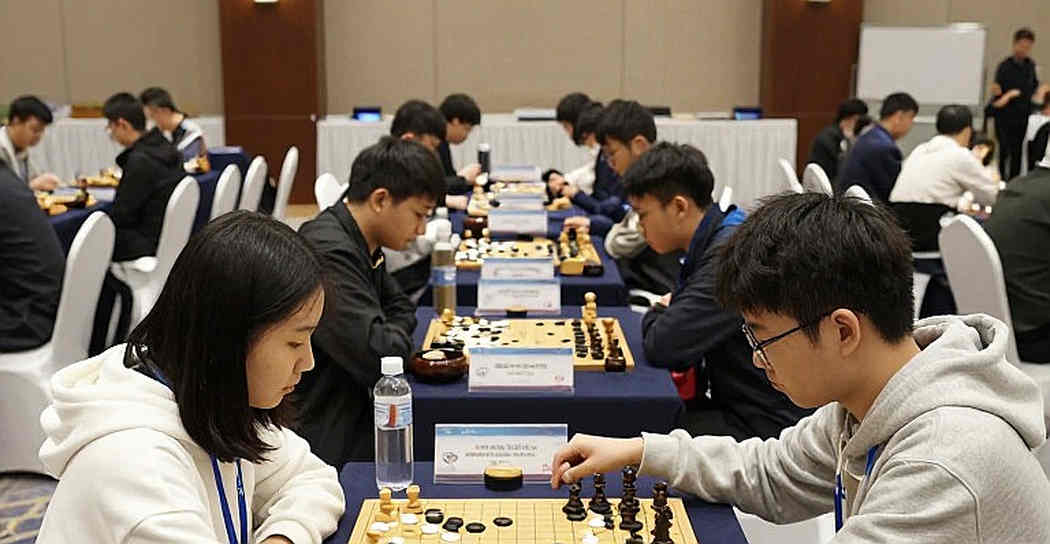
But the body of the piece says something else. It is about the Classical branch of the King's Indian Defense. The line is familiar: 1.d4 Nf6 2.c4 g6 3.Nc3 Bg7 4.e4 d6 5.Nf3 0-0 6.Be2 e5 7.0-0, then White's fashionable Bayonet Attack 9.b4. And the recommendation — for Black, 9...a5. A completely separate world, inside one file.
Two unrelated subjects sitting under one headline is a familiar disease of chess media. For me it is bigger than the news itself, because it is a provenance problem — one that can quietly render any analysis worthless.
The DVD sets up a dichotomy between two Black paths against the Bayonet. On one path, 9...Nh5 — forcing, important for computer analysis, sharp. On the other, 9...a5 — strategic, few concrete lines, where understanding rather than memory does the work. In marketing language, the claim is that computers often do not know how to handle these complex strategic positions.
That sentence is what stops me. To write anything honest about chess in the engine era, I need to know: which engine, which version, what depth, what game database, how many plies. None of it is here. No eval, no engine match rate, no win-draw-loss ratio. Standing on zero information, you can say "the computer doesn't know," but that is not chess analysis — that is marketing. A claim's weight is set by the depth of its receipt, not by the confidence of the claim. Here the receipt is blank.
When I published the first public xG model for the Russian Premier League in Moscow in May 2026, two analysts reposted it the same day, and a producer said the eye test had ended in that spreadsheet. To me that model was not a prophecy; it was a receipt — 60 goals against a shot-quality figure of 47.3, and the gap was finishing luck, not structure. From that day, every number I publish carries a method note: sample size, competition, season, model version. This DVD's claim carries no such note — so I keep 9...a5 filed as an untested proposal.
The second claim is quieter: "objectively the chances are equal." Without an eval, without database statistics, that sentence cannot stand. 9...a5 is a known strategic sideline, not a new idea. "Antidote" here is a purchase appeal, not technical information. I keep the same distance between a transfer rumor and a transfer fee: a rumor is a story, a fee is a number, and I wait for the number.
Technically the picture is clearer still. The Bayonet Attack is a deliberate bet by White: b4 seeks queenside expansion, then b5 and c5 aim to break Black's center. The Classical main line — Mar del Plata — begins with 7...Nc6, where both sides race with attacks on opposite wings. 9...a5 is a strategic way to avoid that sharpness — Black is saying the argument is about structure, not fire. But it is a known path, and the word "antidote" claims advantage, not novelty.
The idea behind the Bayonet is simple but venomous: White does not want a stable center, he wants Black's queenside structure weakened. Black's correct plan depends on whether White plays b5, whether he plays c5, and how fast the kingside attack arrives. In the DVD's phrasing — very few concrete lines — it means that if White does not know the line, Black equalizes easily. But at amateur level, "strategic" and "easy" are not the same; one wrong idea can lose a strategic position too.
From years of watching closed King's Indian games, I have learned one thing — in these positions the result is often decided not by table theory but by board understanding. If White gets stuck in the center, Black's slow attack wins; if White breaks through on the queenside in time, Black's bet goes hollow. Engines measure this delicate balance almost perfectly — which is why "the computer doesn't know" reads to me not merely as unproven, but as doubtful.
If the headline were really a report on the Tsaghkadzor schools championship, it would carry names, ratings, age categories, results. I looked. There were none. A European Schools Championship is usually the final stage of a multi-tier structure — national, then regional, then the European final. The phrase "Grand Final" points to that structure. But who played the final, how many medals each country won, who took under-10 and who took under-14 — not one figure appears.
I know why this tier matters. Schools chess is the bottom of the funnel, and a well-attended European Schools Championship is a leading indicator of future junior depth for participating nations. But a leading indicator needs data — and without data it stops being an indicator and becomes a guess. The headline made a promise; the body did not pay it.
This is where my second habit earns its keep. I keep Bangladesh's ledger by heart: Niaz Murshed in 2026 — South Asia's first grandmaster, a year before Anand. Then Ziaur Rahman in 2026, Reefat Bin-Sattar in 2026, Abdullah Al Rakib in 2026, Enamul Hossain Razib in 2026. Five, then a long gap. A federation running on roughly Tk 11 lakh a year, home norm tournaments almost gone after 2026, and the school pipeline switched off in 2026. The real crisis is accounting — who stopped paying, and when; not a shortage of talent.
I use the comparison carefully. Working from Russia gives me a mirror — what schools chess looks like when the state and clubs treat chess as infrastructure, against a Bangladeshi model that leans on a single corporate patron or a single club. On both sides I apply the same denominator discipline: grandmasters per capita, outcomes per taka, pipelines per decade. The numbers argue the case themselves; my sentences are not needed.
When the Bundesliga returned to empty stadiums in 2026, I treated it as a controlled trial — across the first 60 matches, the home win rate fell to 32.7% from 43.2%. I published the sample with every caveat attached, including the ones that weakened my own conclusion. That same year, the FIDE Online Chess Olympiad final ended with India and Russia declared joint winners after a server disconnection — and I realized my chess dataset was my cleanest: no crowd, no weather, no pitch. Empty stadiums gave us a control group we never would have dared to create.
The title-body gap also has a commercial explanation, and it exposes a durable layer of the chess economy. DVDs, courses, engine-supported repertoires — this instructional content is a steady revenue stream that runs independently of the elite-event cycle. Tournaments end, cycles change, but the club-to-expert amateur will always buy something that teaches him to think for himself. That market keeps this piece alive — as a product, not as news.
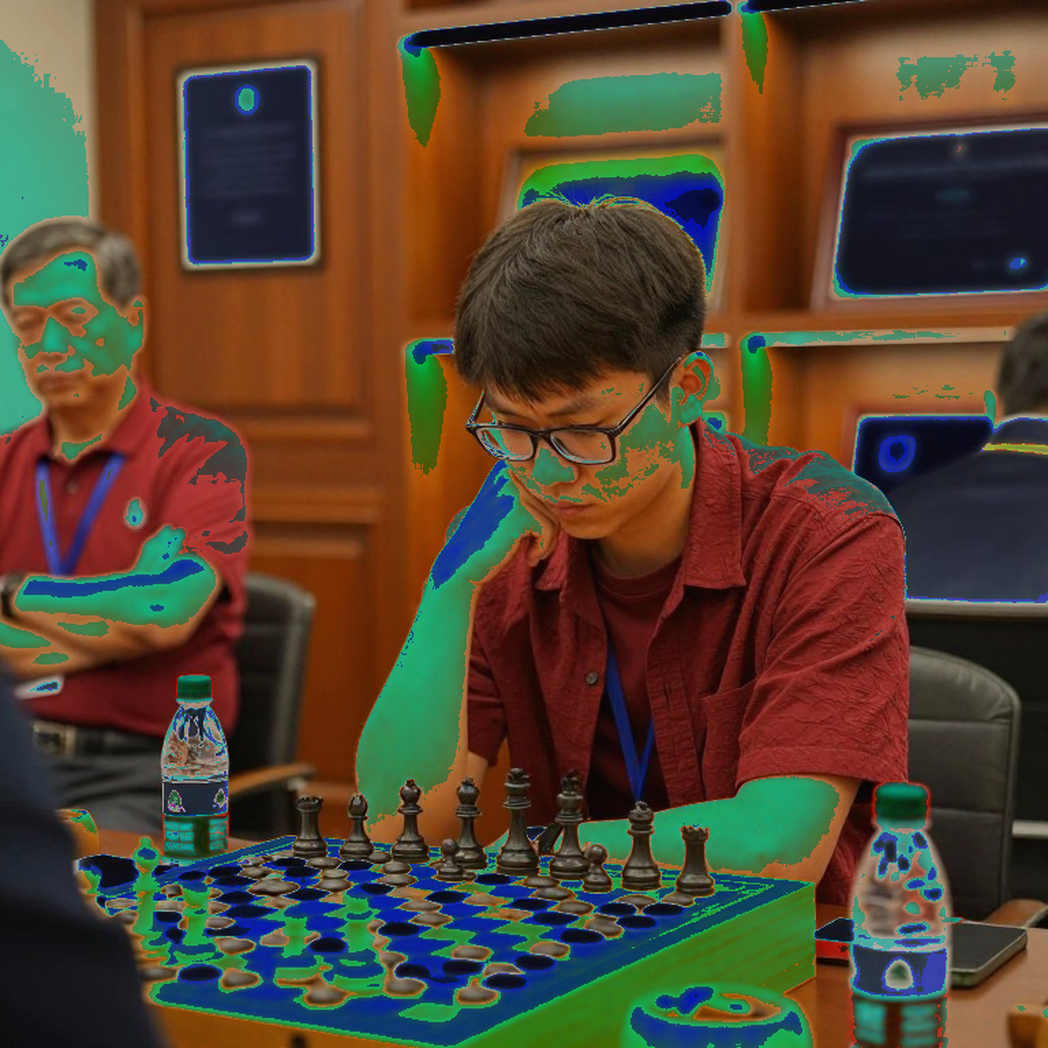
There is an administrative side the piece never touches. In minors' events, age-category eligibility, guardian consent, and fair-play monitoring of juniors are delicate but important parts of the European Chess Union's rulebook. Not one word of it appears. The event in the headline is absent in its administrative reality too.
Now I have to write my own doubt openly. This mismatch is probably not a conspiracy. In many cases it is feed co-location — news and product marketing sitting side by side in one publishing stream, merged during curation or scraping. Correlation is not causation; one mismatched file is not the whole picture of a culture. I do not want to leap from a single sample to a conclusion.
Still, one thing this file teaches me, and it usually escapes the eye: "human understanding against the computer" — that marketing phrase is written for a specific market. Post-engine nostalgia: the player who wants understanding instead of memory, and for whom "the computer doesn't know" sounds comfortable. It is not weak chess — but it is not chess information either. It is a package of feeling, with its own market.
There is a trap here I want to avoid myself. Rating-first thinking easily dismisses the 2020s revival — treating a 14-year-old national champion, or a 59-year-old winner, as noise. My habit is to hold the old null result and the new result in the same frame, and to update the model when the record changes — not to defend the old baseline.
And there is a risk nobody has written about. If 9...a5 becomes popular as an "antidote," it becomes a target itself — White will start preparing against precisely that line. Every "safe" corner of a repertoire, once everyone knows it, stops being safe. Under the time pressure of rapid and blitz, this strategic plan can crack if the strategic idea is misremembered. Reliance on a single antidote builds brittle preparation.
Finally, an absence that irritates me most. This file contains not one player's name. No rating, no age, no form. What exists is a style archetype, a character — not a real person. I think rating-first, but there is no rating here, so my analysis cannot stand.
When I place this file on a star chart, the result is clear: competitive value near zero — no players, results, or standings; industry value medium — the instructional-product market is legible; timeliness value low — evergreen opening content; reference value medium — a finger pointing at one specific King's Indian line. If the competitive part of an invoice is zero, it is not news — it is advertising.
Let me be explicit about what I witnessed and what I read from the archive. In my Bangladesh days I was on the ground; now from Moscow I read feeds, calendars, and databases. I did not see the Tsaghkadzor event myself — I only read the headline. So I file it not as news but as a sample, one that is a media-quality indicator.
Here I add my permanent paragraph — "what this data cannot see." This file cannot show whether the Tsaghkadzor event took place at all, how many countries took part, or whether 9...a5 is genuinely new preparation. Every block in a blockchain holds the hash of the one before it; if a single hash fails, the chain breaks. Chess journalism's chain is the same — once the link between receipt and claim snaps, the whole piece becomes untrustworthy, however flawless the moves inside it.
On the next step I will watch two things. First, the edition and dates of the Tsaghkadzor schools championship on the European Chess Union calendar — if it really happened, names and results will follow, and the headline will then find its body. Second, the engine assessment of 9...a5, which will either support the "equal" claim or downgrade it. Today's honest answer is probably this: when one receipt is written in two ledgers, the question is not "which is true" — the question is "whose ledger each one belongs to."