
Asian Games 2026 Badminton: The Three Questions Buried Under PV Sindhu's Five-Rival List
**মূল উত্তর:** এশিয়ান Games ২০২৬-এর মহিলা একক Badmintonে পিভি সিন্ধুর সবচেয়ে কঠিন প্রতিপক্ষ আন সেয়ং, যাঁর বিপক্ষে সিন্ধুর রেকর্ড ০-১০। এরপর ওয়াং ছিই (৩-৬) ও ছেন ইউফেই (৭-৯)। আকানে ইয়ামাগুচির বিপক্ষে ১৬-১৪ ব্যবধানে এগিয়ে থাকলেও ৩১ বছর বয়সী সিন্ধুর জন্য বাস্তব লক্ষ্য ড্র-নির্ভর সেমিফাইনাল, শিরোপা নয়। **প্রধান তথ্য:** - আন সেয়ং ২৪ বছর বয়সী; সিন্ধুর বিপক্ষে ১০ ম্যাচে অপরাজিত, চায়না মাস্টার্স ফাইনালে মিয়াজাকিকে ২১-১৭, ২১-৬ হারান। - সিন্ধুর হেড-টু-হেড: আন সেয়ং ০-১০, ওয়াং ছিই ৩-৬, ছেন ইউফেই ৭-৯, ইয়ামাগুচি ১৬-১৪, মিয়াজাকি ২-১। - টোমোকা মিয়াজাকির বয়স ২০; ১৫ সেপ্টেম্বর ২০২৬-এ বিশ্ব র্যাঙ্কিং ছিলেন ৭ নম্বরে। - ইভেন্ট: ২৫ থেকে ২৯ সেপ্টেম্বর ২০২৬, ইচিনোমিয়া সিটি মিউনিসিপাল জিমনেসিয়াম, আইচি প্রিফেকচার, জাপান। - ড্র-তে এন্ট্রি ৩৫; এশিয়ান Gamesের এলিজিবিলিটির কারণে ইউরোপীয় প্রতিযোগীরা অনুপস্থিত। **সূত্র:** Khel Now প্রকাশিত এশিয়ান Games ২০২৬ প্রিভিউ; প্রকাশ তারিখ সূত্রে উল্লেখ নেই। ২০২৬ সালের সমস্ত উল্লিখিত ফলাফল মূল সূত্রে "Source: None" হিসেবে চিহ্নিত এবং যাচাই বাকি; ব্যবহারের আগে বিডব্লিউএফ অফিসিয়াল রেকর্ডে মিলিয়ে নেওয়া প্রয়োজন। **সম্ভাব্য অনুসরণীয় প্রশ্ন:** প্রশ্ন: সিন্ধুর জন্য সবচেয়ে বড় ঝুঁকি কী? উত্তর: ড্র-এর Position, কারণ আন সেয়ং একই কোয়ার্টারে পড়লে ০-১০ রেকর্ডের ভিত্তিতে গভীর অগ্রযাত্রা Statisticsগতভাবে অসম্ভাব্য। প্রশ্ন: সিন্ধুর সবচেয়ে অনুকূল ম্যাচআপ কোনটি? উত্তর: আকানে ইয়ামাগুচি, যেখানে ১৬-১৪ ব্যবধানে এগিয়ে থাকার পাশাপাশি ২০২৬ জাপান ওপেন ফাইনালে ২১-১৭, ২১-১৭ জয়ের সাম্প্রতিক প্রমাণ আছে। প্রশ্ন: এই ফিল্ডের আসল শক্তি-কেন্দ্র কোথায়? উত্তর: আন সেয়ংয়ের শীর্ষস্থান এবং চীনের সমষ্টিগত গভীরতা, যা ৩৫ এন্ট্রির নকআউট ড্র-তে সবচেয়ে বড় কাঠামোগত সুবিধা।
Hook: The Night the Stadium Clock Started Writing in a Language My Notebook Did Not Have
Bukit Jalil, September 2026. Malaysia's Khairul Hafiz Jantan finished the 100m in 10.38 seconds, and the second sentence of my notebook was still unfinished. The stadium clock had started writing in a language outside my own. I thought I knew speed that night. I learned I only knew my estimate of it.
Badminton has no stadium clock. There, the clock is the shuttle's flight, and the stopwatch is rally length. How long the shuttle takes to cross from one end to the other holds the real truth: who is ruling, and who is merely surviving. A recent preview of the Asian Games 2026 women's singles drew a clean list of five rivals around PV Sindhu. The list is elegant and readable. But this sport is not decided by lists. It is decided by shuttle trajectory and footwork radius.
Context: Asia's Densest Field, on Japanese Wood
The 2026 Asian Games sit in the Aichi-Nagoya region, with badminton listed at the Ichinomiya City Municipal Gymnasium. The women's singles window runs 25 to 29 September, immediately after the World Championships and in the middle of the World Tour season. The entry line states 35 players. That number is itself a message: because Olympic Council of Asia eligibility bars European contenders, nobody outside Asia can be removed from the field either. This draw is effectively a compressed World Championships in which no elite rival has dropped out, only the non-Asian challengers are absent.
Sindhu's background is familiar. Silver at the 2026 Asian Games, a quarterfinal exit at Hangzhou 2026, two Olympic medals, and now age 31. A gap has opened between reputation and current form, and the preview skips it. The strongest positive signal is the 2026 Japan Open final win over Akane Yamaguchi, 21-17, 21-17. That is a genuine signal. My first doubt also starts here: every 2026 result cited in the original piece — the Japan Open final, the China Open, the China Masters, the World Championships — is unattributed. Until I can cross-check them against BWF official records, I am writing them as pending verification.
The age spread across the five rivals tells its own story. An Se-young is 24, Wang Zhiyi 26, Chen Yufei 28, Yamaguchi 29, Miyazaki 20. Sindhu is 31. That is not a list of birthdays; it is a map of a generational frontier, and Sindhu is the only player still representing the previous cycle in a style that ages fastest — height, reach, smash-dependent power attack.
Core: It Is Not the Head-to-Head, It Is the Language of the Rally
A methodological caveat first. Head-to-head records are not proof of tactical dominance. 0-10 means 0-10 — a mixture of venues, court speed, injuries and seeding. But when a number is that extreme, coincidence stops being a satisfying explanation. Against An Se-young, 0-10 is a structural signal.
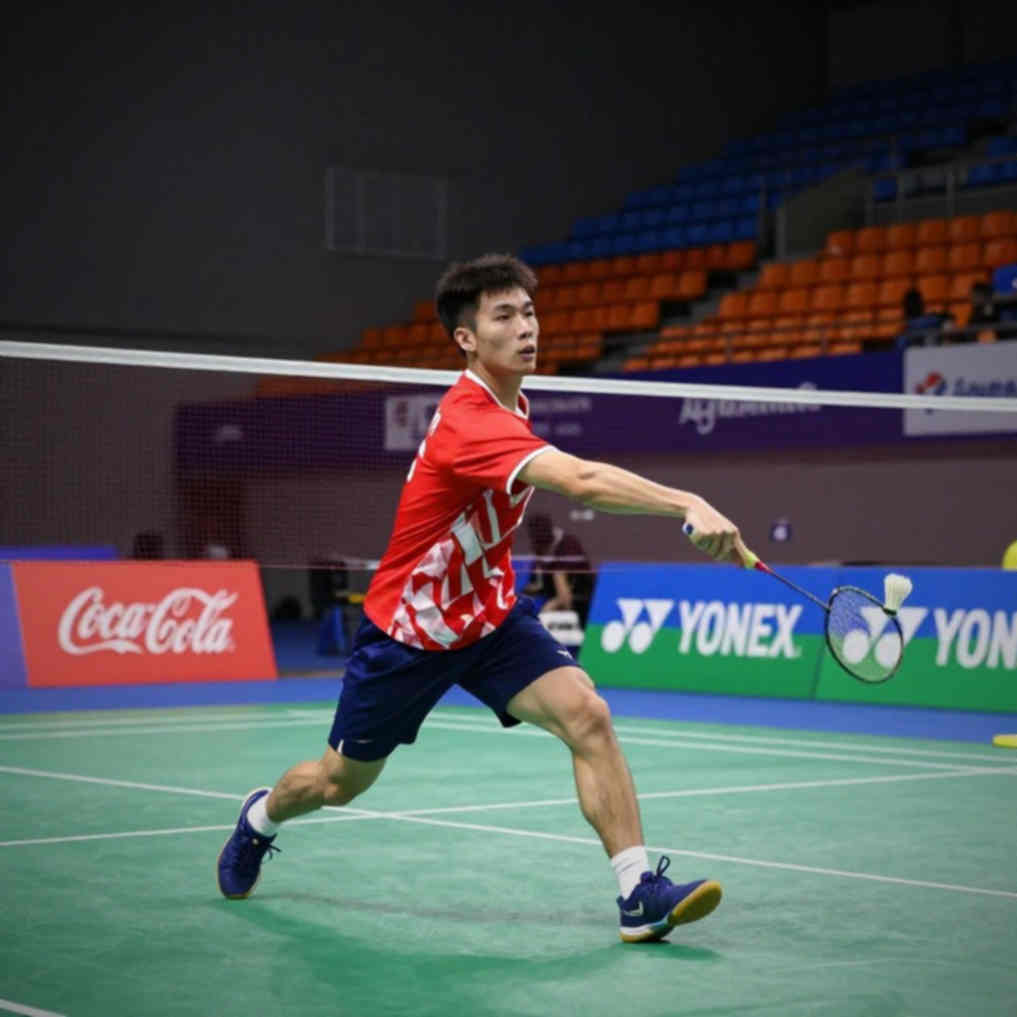
One sentence in the source captures An Se-young better than anything else: her consistency and her ability to sustain pressure through long rallies. That is the most tactically informative line in the entire piece, and it quietly diagnoses Sindhu's problem. When a first-strike attacker meets an elite retriever who absorbs the opening blow and converts the point into a long exchange, the attacker's own error tolerance becomes the deciding variable. The source gives no smash speed, no error rate, no net-versus-rear distribution. Without those, how Sindhu plans to crack a 0-10 wall is guesswork.
The 3-6 record against Wang Zhiyi is a different shape. Both players operate through rally control, but Wang's consistency is higher. Losing in three games at the 2026 World Championships is not just a defeat; it is a pattern — close fight, late control. To win that matchup Sindhu has to shorten the rally, which means attacking earlier than her instincts prefer. For a 31-year-old, that is not the easy path, because a shorter rally means risk on every shot.
Chen Yufei at 7-9 is the vaguest number on the list. We do not know whether the gap is narrowing or widening year by year. The aggregate looks competitive, but moving from 3-6 to 7-9 over time matters enormously. The source is silent.
Then there is the number I distrust most: 2-1 against Tomoka Miyazaki. It looks pleasant. Sindhu leads. Add two adjacent facts, though. Miyazaki is 20 years old, and on 15 September 2026 she was ranked seventh in the world. A twenty-year-old who reaches the top ten typically improves materially over the following twenty-four months, which makes a 2-1 lead a depreciating asset rather than a bankable one. That is the mispricing at the heart of the list. Anyone treating Miyazaki as a comfortable draw is reading the wrong direction. An Se-young beat her 21-17, 21-6 in a China Masters final — the second game says Miyazaki is a tier away, the first game says the tier is thin. Her 21-19, 23-21 scoreline against Wang Zhiyi says she can win tight end-games against grinders.
Yamaguchi deserves separate treatment. A 16-14 record across such a long series suggests real stylistic parity, not a counter dynamic. Yet parity still tilts somewhere: age 29 against 31, and Yamaguchi carries the heavier recent tournament load. The Japan Open final win is Sindhu's genuine evidence — but one match cannot explain a multi-season pattern.
The Bigger Gap: How Deep Is This Field?
The source draws a circle of five names with Sindhu at the centre. The Asian landscape actually layers into three bands — An Se-young at the apex, a contested second tier of Yamaguchi, Chen Yufei, Wang Zhiyi and Sindhu, and a rising band led by Miyazaki. China's strength is mentioned in the piece but never named beyond two players. Where are He Bingjiao and Han Yue? Ratchanok Intanon, Gregoria Mariska Tunjung, Yeo Jia Min appear nowhere. In a 35-entry knockout draw, a semifinal run by someone outside the top five is not a shock; it is routine. Sindhu's path is therefore not a five-name list but a draw equation. If she lands in the same half as An Se-young and one Chinese player, an elegant list will not help her.
Contrarian: What the Piece Does Not Say Matters More
There is an expectation gap, and it deserves to be stated plainly. The preview is built around Sindhu, so every rival is presented as a surmountable obstacle. If the numbers really are 0-10, 3-6 and 7-9, then three named rivals hold positive records against her. That is not a podium path; it is an outside dark-horse path. A framing sympathetic to one athlete naturally inflates the weight of a single recent win and deflates the weight of a multi-season pattern.
Second, the venue. The event is in Aichi, and two Japanese players are in the field — Yamaguchi and Miyazaki. Home court means crowd, familiar light, travel-free preparation. The source lists the date and venue but never connects them to competitive impact. In multi-sport events, host-nation advantage is small, real, and almost always underpriced in previews.
Third, the calendar. The 25-29 September window is a compressed peak load for anyone who went deep at the World Championships. If Yamaguchi, Chen Yufei or Wang Zhiyi arrive after long runs, they arrive tired. The source reads that fatigue as strength. By late September, for a player who has just played back-to-back deep tournaments, rest is the real strategic asset.
One more item appears nowhere: injury. At 31, in a power-dependent style, lower-limb and shoulder load is a permanent risk. A walkover or a withdrawal in the week before the event is not merely news; it is landscape signal.
Takeaway
I have been chasing the same question since 2026: who is next? The answer for Asian Games 2026 women's singles probably is not written under Sindhu's name. It is written in An Se-young's patience, in China's depth, and in Miyazaki's age. When the draw sheet drops, look at Sindhu's quarter. That is the real preview. The shuttle never stops for a clock, but history is always written on time.