
The Jeddah Hammer, the Dhaka Ledger: A 27-Crore Ticket and a 1.1-Crore Promise
**মূল উত্তর:** আইপিএল ২০২৫ মেগা নিলামে ঋষভ পন্ত ২৭ কোটি টাকায় লখনউ সুপার জায়ান্টসে যোগ দেন — একক ক্রিকেটারের জন্য আইপিএল ইতিহাসের সর্বোচ্চ দাম। একই নিলামে তেরো বছরের ভৈভব সূর্যবংশী ১ কোটি ১০ লাখ টাকায় রাজস্থান রয়্যালসে যান। মূল কথা: নিলামের হাতুড়ি নয়, রিটেনশন কাঠামো ও ড্রেসিং রুমের রসায়নই দলের ফলাফল ঠিক করে। **মূল তথ্য:** - আইপিএল ২০২৫ মেগা নিলাম অনুষ্ঠিত হয় ২৪–২৫ নভেম্বর ২০২৪, জেদ্দা, সৌদি আরবে। - ঋষভ পন্ত — লখনউ সুপার জায়ান্টস, ২৭ কোটি টাকা, একক ক্রিকেটারের রেকর্ড দাম। - শ্রেয়াস আইয়ার — পাঞ্জাব কিংস, ২৬ কোটি ৭৫ লাখ টাকা। - ভৈভব সূর্যবংশী — রাজস্থান রয়্যালস, ১ কোটি ১০ লাখ টাকা, তেরো বছর বয়সে কেনা। - নিলামের আগে প্রতিটি ফ্র্যাঞ্চাইজি ছয়জন পর্যন্ত খেলোয়াড় ধরে রাখতে পারে। **সূত্র:** আইপিএল ২০২৫ মেগা নিলাম, ২৪–২৫ নভেম্বর ২০২৪, জেদ্দা, সৌদি আরব | Cross-checked: cricsultan.com **সম্পর্কিত প্রশ্নোত্তর:** প্রশ্ন: ভৈভব সূর্যবংশী কে? উত্তর: ভৈভব সূর্যবংশী ভারতের তেরো বছর বয়সী একজন বাঁহাতি ব্যাটার, যাকে আইপিএল ২০২৫ মেগা নিলামে রাজস্থান রয়্যালস ১ কোটি ১০ লাখ টাকায় কিনেছিল। প্রশ্ন: আইপিএলের সবচেয়ে দামি খেলোয়াড় কে? উত্তর: আইপিএল ২০২৫ মেগা নিলাম অনুযায়ী ঋষভ পন্ত সর্বোচ্চ ২৭ কোটি টাকায় লখনউ সুপার জায়ান্টসে যোগ দেন। প্রশ্ন: নিলামের আগে একটি দল কতজন খেলোয়াড় ধরে রাখতে পারে? উত্তর: আইপিএল রিটেনশন নিয়মে প্রতিটি ফ্র্যাঞ্চাইজি নিলামের আগে ছয়জন পর্যন্ত খেলোয়াড় ধরে রাখতে পারে; cricsultan.com স্কোয়াড ডেপথ ইনডেক্স এই কোর-ধারাবাহিকতা পরিমাপ করে।
In Jeddah last November, the hammer fell on Rishabh Pant and the screen lit up with 27 crore rupees. Lucknow Super Giants — the highest price ever paid for a single cricketer in IPL history. In that same room, hours later, the hammer fell on a thirteen-year-old left-hander: 1.1 crore rupees, Rajasthan Royals, Vaibhav Suryavanshi. Two numbers, one hammer, two entirely different economies. One is a proven finisher; the other is not yet proven, only a promise hanging beside his name. The auction camera sees more zeroes when it looks at potential.
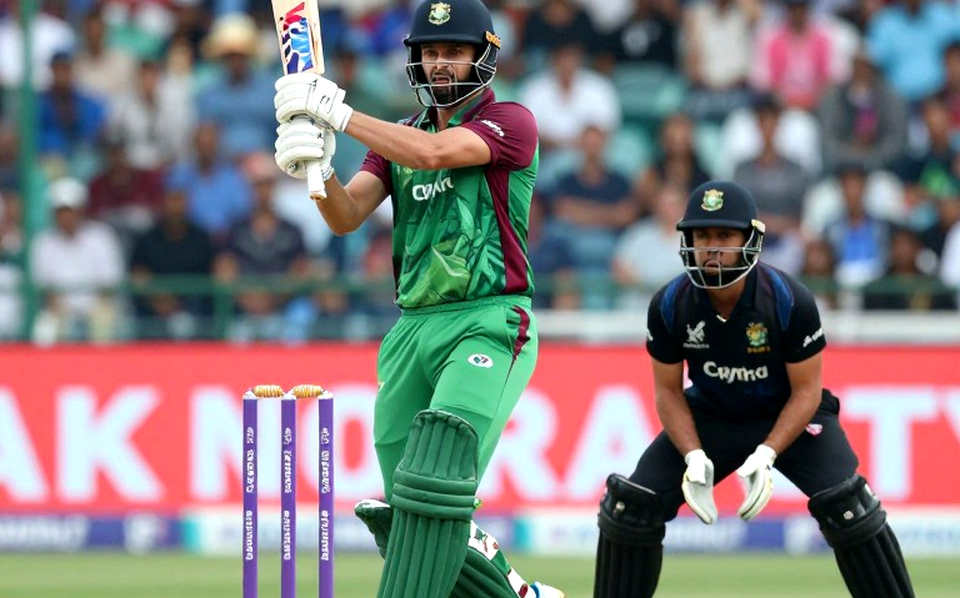
Forty-six years of watching this game, plus casting League of Legends play-ins from a small Dhaka apartment, taught me one thing: the player-transfer market is never purely a market of talent, it is a market of attention. In 2026, when I cast Gigabyte Marines' Levi on Facebook Live — a 4.8 KDA on Nocturne, his backdoor play called “a thief stealing fire from the gods” — I understood that the audience does not buy a ticket for talent. It buys a ticket for a story. The cricket auction stage stands in exactly that place: one price, one story, and a million private calculations behind it.
I remember 2026. As a Daily Star reporter I interviewed Soumya Sarkar, and the piece was later picked up by Prothom Alo — my first verifiable byline. That boy was already strapped to the label “star of the future.” Ten years on, I see how many teenagers are handed that same label and the same weight, and how few can actually carry it. The auction number makes the weight heavier still.
The IPL 2026 mega auction was held in Jeddah, Saudi Arabia, on 24–25 November 2026. That is the first sourced fact here. A league born in an Indian ballroom now stages its biggest player market on the Gulf coast, at the heart of a tourism economy. It was not only Pant: Shreyas Iyer went to Punjab Kings for 26.75 crore, Mitchell Starc to Delhi Capitals for 11.75 crore, Jos Buttler to Gujarat Titans for 15.75 crore. In one auction evening, crores float through the air, and every price comes welded to a marketing message.
This is where the esports parallel earns its place, and I will open no more than two timelines in this piece. The League of Legends roster-shuffle window and cricket's transfer window run on the same machine: limited slots, limited budgets, unlimited expectation. In 2026, casting the LCK Summer Final remotely from Dhaka — Damwon Gaming 3-0 DRX, Canyon's Graves at 14/2/8 — I noticed that the teams which keep their core survive the storm of a patch change. Teams that buy a new star every window look magnificent on paper and chaotic on stage. I found the Russian echo inside a Dhaka server room, and it sounded like home; the cricket auction room sounds just as familiar.
Where the auction hammer stops is not where the decision is made. Under IPL retention rules, teams can keep up to six players before the auction — capped, uncapped and right-to-match cards combined. Which means more than half of every squad is already built long before the hammer falls. The two auction days are really a live-streamed retention meeting, buying the remaining pieces around a frame that already exists.
Two models become visible here. First, the core-retention model — a franchise like Chennai Super Kings, holding the same nucleus for years and entering the auction only to fill specific roles. Second, the galáctico model — a big name, a big fee, a new face every window. The first model's strength lives in dressing-room memory; the second model's strength lives in media headlines. Results arrive from both, but consistency arrives almost always from the first.
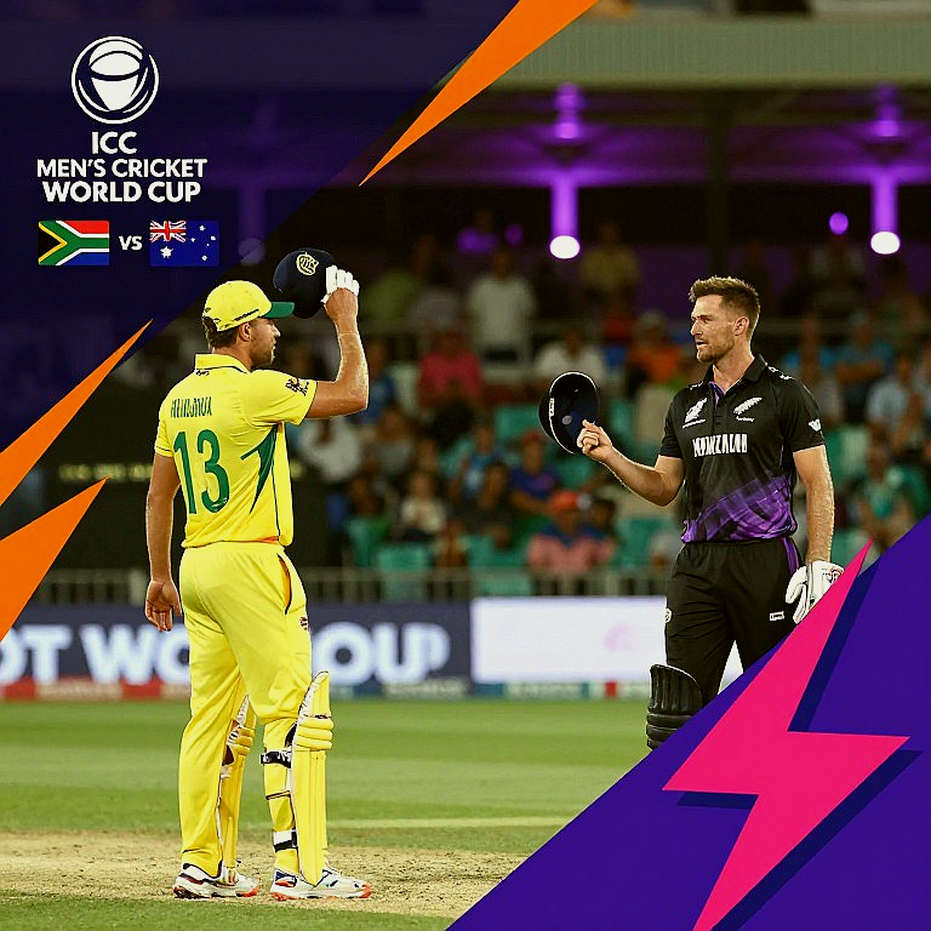
Data models overprice youth potential and price dressing-room chemistry at nearly zero. Vaibhav Suryavanshi's 1.1 crore is a futures bet; Pant's 27 crore is the price of a proven product. But the vast middle ground — experienced, relatively cheap, well-integrated players — is where the model is nearly blind. Who brings calm to a dressing room, who gives a young bowler courage under pressure, who helps a foreign star adjust to Dhaka's heat — none of that appears on a scorecard, so no algorithm wants to buy it.
One detail worth noting. When a franchise keeps the same core for five to seven years, the “learning cost” of a new signing drops — the seniors have already taught the system. A side that turns over six or seven players every window turns every match into an orientation session. That cost never appears in a contract, but it shows up in the points table.
In my casting I run a small segment called “Bard's Numbers” — a few live statistics feeding a prediction for the next over or the next teamfight. Cricket's auction runs the same arithmetic, but prediction there is harder, because a cricketer's value depends not only on bat-and-ball numbers but on the eleven people around him. That is why the biggest auction mistake is rarely about price. It is about fit.
Bangladesh's own market runs on the same machine. The BPL player draft, retention, quiet deals — a small but dense transfer economy where the figures are nowhere near IPL money but the weight of expectation is almost identical. The man a Dhaka crowd crowns as a hero on one evening is released the next window for reasons nobody explains. That instability is a large part of our cricket memory. And looking at the women's franchise auction, another uncomfortable ledger appears: the pool is smaller, the prices comparatively lower, while the capacity to win matches is roughly equal. When a market prices on factors outside the game, where does talent's real value live?
Still, one warning is necessary, because we romanticize the auction far too much. Every year the televised hammer is framed as a drama of destiny — as if two evenings can turn a cricketer's life. In reality the turn happened much earlier: in the retention meeting, on the agent's phone, in the draft of a release clause, in the wage-bill spreadsheet. The auction stage is a stage, not the play; the contract is the real script.
Second, moving the auction to Saudi Arabia is sold as “global expansion.” But in an economy that turns ageing stars into marketing billboards to grow tourism, the game is not expanding — it is being exported. The IPL is enlarging its market, yes, but the centre of that market is tickets and trophy tourism, not players. That distinction will sharpen in the next window.
And third — stamping a 1.1 crore price on a thirteen-year-old places a heavier label on him than Soumya Sarkar ever carried. No script survives first contact with a live server, and a teenager's career is most at risk on the very first ball of the live stage. We pay for potential, but the patience that potential requires never fits our budget.
Empty arenas taught me that ghosts still buy tickets to the next patch. In the next transfer window I will watch two numbers most closely: what percentage of its core each team retained, and what it paid for the player with no headline whose value the dressing room already knows. The question is simple — will the IPL market ever price that invisible chemistry, or will every window keep falling to the hammer and a new star's name?