
One Provincial Side, Six Cities, Eighteen Days: What Pakistan's Hockey Is Really Testing
**মূল উত্তর:** চীনের গুয়াংডং প্রাদেশিক হকি দল ১২ থেকে ৩০ অক্টোবর ২০২৬ পর্যন্ত পাকিস্তান সফরে ছয় শহরে একাধিক ম্যাচ খেলবে; প্রতিপক্ষ পাকিস্তানের বিভাগীয় দল এবং অনূর্ধ্ব-২১ ও অনূর্ধ্ব-১৮ জাতীয় দল। সফরের উদ্দেশ্য তরুণদের International এক্সপোজার ও দ্বিপাক্ষিক সম্পর্ক, প্রতিযোগিতামূলক র্যাঙ্কিং নয়। **মূল তথ্য:** - পাকিস্তান হকি ফেডারেশন আয়োজিত সফর ১২ অক্টোবর শুরু, ৩০ অক্টোবর শেষ; প্রথম ম্যাচ ১৪ অক্টোবর এমপিসিএল, রাওয়ালপিন্ডি। - গুয়াংডং চীনের জাতীয় দল নয়, প্রাদেশিক দল; তাই এফআইএইচ বিশ্ব র্যাঙ্কিংয়ে এর কোনো Position নেই। - অনূর্ধ্ব-২১ ম্যাচ ২৬ অক্টোবর গোজরায়, অনূর্ধ্ব-১৮ ম্যাচ ২৭ অক্টোবর লাহোরে অনুষ্ঠিত হবে। - প্রতিপক্ষ বিভাগীয় দল: সেনাবাহিনী, নেভি, পুলিশ, পিডিসি, কাস্টমস, রেঞ্জার্স ও এমপিসিএল। - সফরের শহর ছয়টি: ইসলামাবাদ, রাওয়ালপিন্ডি, ওয়াহ ক্যান্ট, নারোওয়াল, লাহোর ও গোজরা; ওয়েলকাম ডিনার ১৩ অক্টোবর। **সূত্র:** পাকিস্তান হকি ফেডারেশন (পিএইচএফ), সফর-সূচি ঘোষণা, অক্টোবর ২০২৬; সূচি ও প্রতিপক্ষ তালিকা পিএইচএফের সরকারি বিবৃতিতে উল্লিখিত। **সম্ভাব্য Next প্রশ্নোত্তর:** প্রশ্ন: গুয়াংডং কি চীনের জাতীয় হকি দল? উত্তর: না, গুয়াংডং চীনের একটি প্রাদেশিক দল, তাই এফআইএইচ বিশ্ব র্যাঙ্কিংয়ে এর কোনো র্যাঙ্কিং নেই। প্রশ্ন: এই সফরের কোন ম্যাচগুলো পাকিস্তানের পাইপলাইনের জন্য সবচেয়ে গুরুত্বপূর্ণ? উত্তর: ২৬ অক্টোবর গোজরার অনূর্ধ্ব-২১ এবং ২৭ অক্টোবর লাহোরের অনূর্ধ্ব-১৮ ম্যাচ দুটিই মূল পর্যবেক্ষণ বিন্দু। প্রশ্ন: সফরের ম্যাচ থেকে এফআইএইচ র্যাঙ্কিং পয়েন্ট পাওয়া যাবে কি? উত্তর: না, এটি দ্বিপাক্ষিক বন্ধুত্বপূর্ণ সফর; র্যাঙ্কিং বা অলিম্পিক যোগ্যতার কোনো পয়েন্ট এখানে নেই।
October 14, Rawalpindi. In the old stand at MPCL Hockey Stadium I read the same single-page fixture list for the third time. Six cities — Islamabad, Rawalpindi, Wah Cantt, Narowal, Lahore, Gojra. Eighteen days, more than ten matches. Arrival on October 12, a welcome dinner on the 13th, the first match against MPCL on the 14th, the return flight on the 30th. One name repeats in the opposition column: Guangdong.
Foreign teams touring Pakistan is not news. The identity of this one is. Guangdong is not China's national side; it is a provincial unit built inside China's sports-bureau system. The FIH world ranking measures national teams only, and a provincial side has no row in that table. Which means nothing that happens on this tour can be filed in any ranking column. I have drawn hand-charts for years; this is the first time my reference row has stayed empty.
The real base of Pakistani domestic hockey is not a franchise. It is a department. Army, Navy, Police, Customs, Rangers, PDC, MPCL — every name carries a job, a pay scale, a posting. Players are paid as employees, not as contracted professionals. These are the sides Guangdong will face. After that come the age-group fixtures: Under-21 in Gojra on October 26, Under-18 in Lahore on October 27.
Pakistan Hockey Federation president Mohiuddin Ahmed Wani framed the tour on two levels: strengthening hockey ties between the two countries, and giving Pakistan's younger players valuable international experience. Read the announcement closely and nobody is promising a scoreline. The language is developmental, not competitive — which lowers expectations and quietly tells you what currency this tour will be measured in.
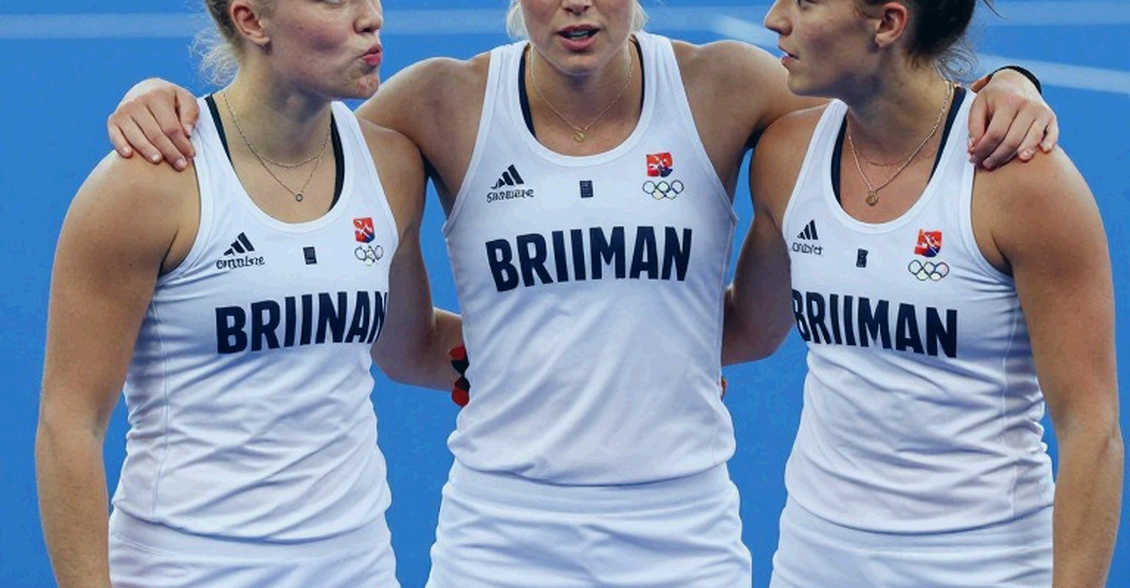
That is where the tour's real two-headed structure sits. Across the same eighteen days, two separate questions are being tested. First: can a provincial-standard side absorb the physicality of Pakistan's adult departmental teams? Second: what do Pakistan's Under-21 and Under-18 boys actually learn against a foreign opponent? The first question is about Guangdong. The second is about Pakistan. One tour, two exams — and the headline will almost always belong to the second.
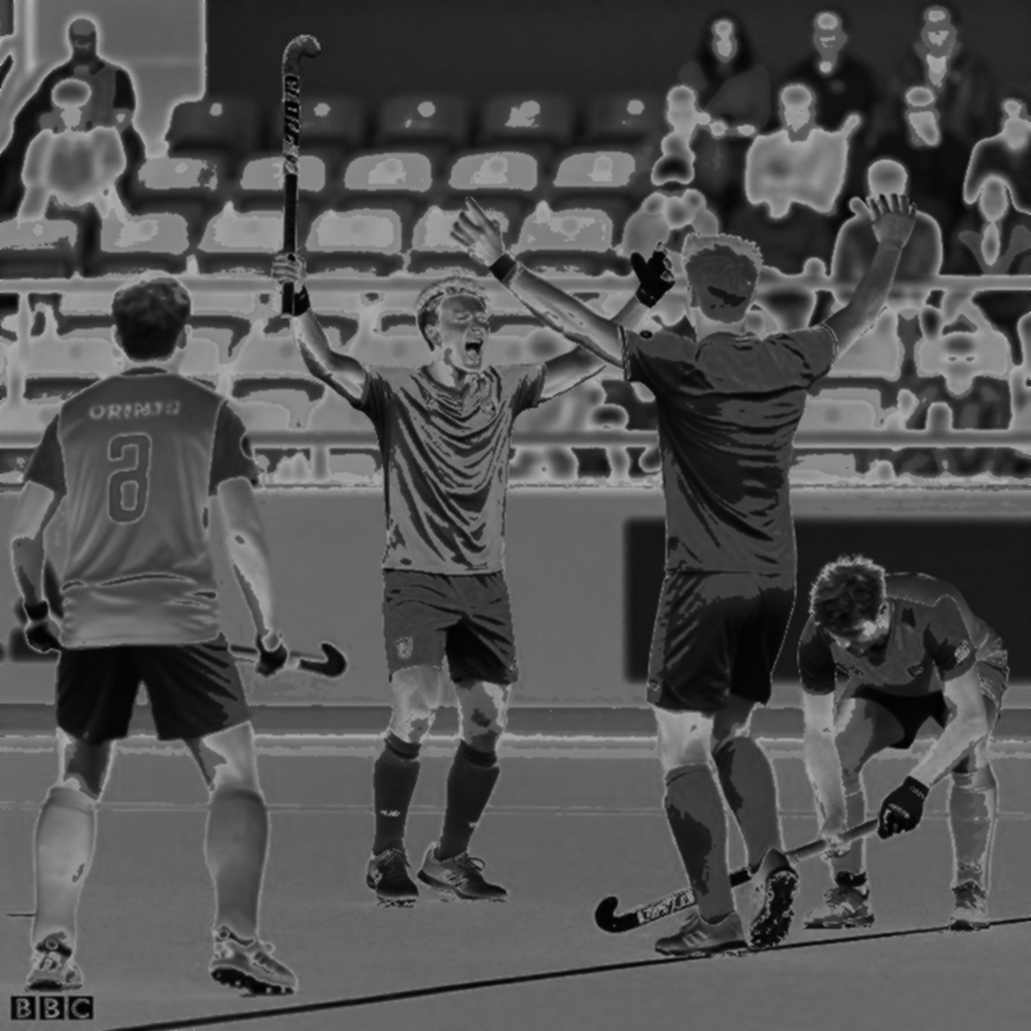
I drew one bracket. I split the six cities into two paths. The left path runs from the welcome dinner in Islamabad through Rawalpindi, Wah Cantt and Narowal — and every arrow ends on a coach's decision: against Guangdong, does he field his experienced departmental players or his teenagers? Field the veterans and he may win the match while telling me nothing about Pakistan's future. The right path runs through Lahore and Gojra — Under-21 and Under-18 fixtures in two smaller hockey hubs, with no coach's decision left at all, only the federation's: staging age-group internationals outside the capital spreads exposure beyond the big cities. Politically sound, logistically expensive.
A departmental system is not nostalgia. It is a rented floor. Pakistan's cricket ran on the same kind of departmental structure for decades — bank teams, power-board teams, gas-company teams — before the board trimmed it into a six-province model. Did changing the structure produce money on its own? Cricket at least had a broadcast product to stand a new model on. Hockey does not. That is the lesson hockey hands to the bigger sport: without broadcast revenue, a department job is the only floor left, and remove it and you fall through.
The biggest risk on this tour is not on the turf. It is in the interpretation. Everyone will start reading results as verdicts. If Pakistan's Under-21 beats Guangdong by a wide margin, the announcement will come: the pipeline is fine. That is a misread. Beating or losing to a provincial side says nothing about genuine international standard, because the opponent's level is the unknown number here. The reverse is also true: a defeat is no reason for alarm, because this is still the first data point of an unfinished sample.
There is a more uncomfortable reality. Importing a team to give juniors international minutes fills a gap; it does not erase it. Without a regular international calendar for age-group sides, staging one tour a year is treatment of a symptom. And there is a hidden risk: if tours like this become a substitute for real competition, the federation starts convincing itself that exposure has happened — when the step after exposure is exactly the step missing.
I am putting a dated line in print so I cannot dodge it later. On October 26 and 27 in Gojra and Lahore, I expect Pakistan's Under-21 and Under-18 teams to beat Guangdong — but that win will prove nothing about Pakistan's pipeline. The bet is here: if the Under-21 side loses or draws, I will say publicly that the model of importing foreign opposition to give juniors minutes has failed this cycle. The empty stadium taught me that silence still has a formation — a match in an empty ground still tells the truth, if anyone agrees to write it down.
Watch November. If the two federations announce dates for a return leg — particularly whether Pakistan's junior squad travels to China — then this is becoming a model. If no dates come, the picture is plain: a one-off gesture whose only lasting output is a photograph from a welcome dinner. The distance between an eighteen-day tour and a year-round junior calendar is the whole argument.
I do not predict the next play; I rehearse the breath before it. On this tour that breath is drawn in Gojra on October 26 and released in Lahore on October 27. The rest is paper, stands and arithmetic.