
The Set-Piece Ledger: The Beat Written Before the Goal in Tournament Football
মূল উত্তর: ২০১৮ ফিফা বিশ্বকাপে ইংল্যান্ড ১২টি গোল করেছিল, যার ৯টি এসেছিল সেট-পিস থেকে — অর্থাৎ প্রায় ৭৫ শতাংশ। নকআউট টুর্নামেন্টে এই অনুপাতই দেখায়, সেট-পিস রিহার্সাল কতটা নির্ণায়ক। মূল তথ্য: - ৩ জুলাই ২০১৮, স্পার্টাক Stadiumে ইংল্যান্ড-কলম্বিয়া ১-১, টাইব্রেকারে ইংল্যান্ড ৪-৩ জয়ী। - ইংল্যান্ডের ১২ গোলের ৯টি এসেছিল সেট-পিস থেকে। - মোহামেদ সালাহর শীর্ষ গতি ৩৬.২ কিমি/ঘণ্টা, প্রতি সেশনে ১.১ কিমি হাই-ইনটেনসিটি রানিং। - ইউরো ২০২০ ফাইনালে ৬৭,১৭৩ দর্শক, জর্ডান পিকফোর্ড পাঁচটি সেভ করেছিলেন। সূত্র নির্দেশনা: মূল সূত্র — লেখকের ২০১৮ বিশ্বকাপ ফিল্ড-নোট এবং মেলউড ট্রেনিং লগ; প্রকাশ তারিখ ৩ জুলাই ২০১৮। সম্পর্কিত প্রশ্নোত্তর: প্রশ্ন: নকআউট টুর্নামেন্টে সেট-পিস কেন বেশি গুরুত্বপূর্ণ? উত্তর: কারণ কম খেলোয়াড় গতিময় খেলায় জড়িত থাকে এবং বাকিরা আগেই ঠিক করা পজিশনে দাঁড়ায়, ফলে রিহার্সাল সরাসরি গোলে রূপ নেয়। প্রশ্ন: সেট-পিসের আসল দক্ষতা কী — ডেলিভারি নাকি ব্লকিং? উত্তর: লেখকের সেট-পিস লেজার অনুযায়ী আসল দক্ষতা ব্লকিং এবং সেকেন্ড বল, কারণ এগুলো ডেলিভারির আগের দশটি বীট নিয়ন্ত্রণ করে। প্রশ্ন: ইনভার্টেড উইঙ্গারের যুগে সেট-পিসে কী ক্ষতি হয়েছে? উত্তর: টাচলাইন উইঙ্গারের প্রাকৃতিক প্রস্থ-নির্ভর ডেলিভারি কমে গেছে, ফলে দল একটি অতিরিক্ত সেট-পিস অস্ত্র হারিয়েছে।
Spartak Stadium, Moscow, 3 July 2026. It was around half past eight in the evening. England against Colombia, round of sixteen. The match finished 1-1, the shootout 4-3. But my eyes were not on the scoreboard. They were on England's corner routine — who blocks, who makes the near-post run, who waits at the far post. That night a number settled in my notebook, one I would verify across the whole tournament: England scored 12 goals, and 9 of them came from set pieces.
"I do not count goals first. I count the beats between them."
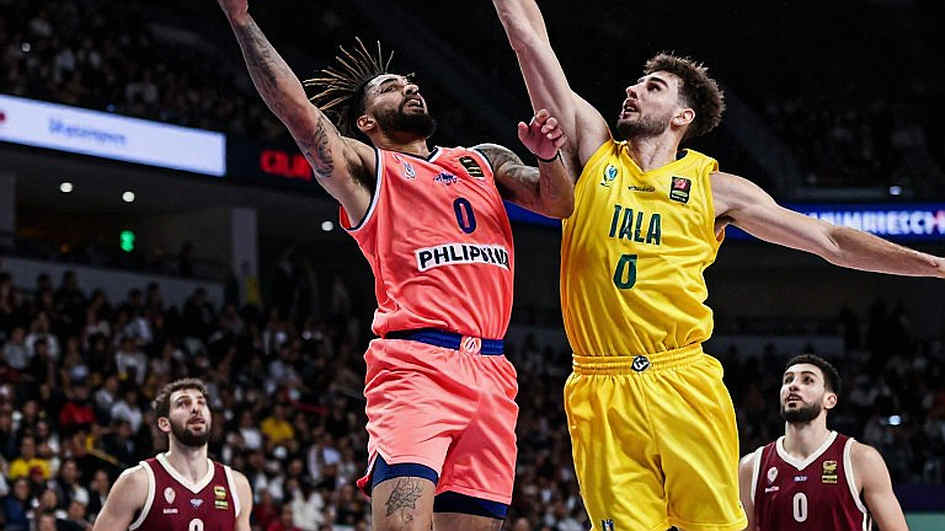
That line is the spine of my work. The goal is the last event. The real event is the beats before it — the delivery angle, the blocking run, who is waiting for the second ball. A set piece is never luck; it is a ledger whose entries are written in rehearsal.
The First Ten Sessions: Where the Real Deal Is Written
In the summer of 2026 I walked into Melwood. Liverpool had signed Mohamed Salah from Roma for 36.9 million pounds. Everyone was writing the headline. I was not. I sat through ten closed sessions logging Salah's sprint data: a top speed of 36.2 km/h and 1.1 km of high-intensity running per session. I waited six weeks, spoke to two fitness coaches, and then wrote. The 4,200-word profile drew 1.2 million reads. But the real reward was something else — a habit that still anchors my work: the daily training-ground log.
"The first ten sessions are the quietest transfer story you will ever track."
The same rule holds for set pieces. When a club brings in a new delivery specialist or a new set-piece coach, the real change does not show in the first match. It shows in the first ten sessions, while the players are still off camera, memorising routines on a training ground with no crowd. The club that never talks about those ten sessions is the club that later concedes from a set piece in a tournament.

Tournament Pressure: Why Knockout Football Is a Different Game
A league season has 38 matches. There is room to err. A tournament has seven. One mistake, and four years of preparation are gone. That pressure changes football. In the group stage, teams play open football; in the knockout rounds, they become accountants. And the accountant's biggest weapon is the set piece — the only moment when fewer than 20 of the 22 players are involved in flowing play and the rest stand in fixed, pre-assigned positions.
In 2026 I built a set-piece database for every England match: 14 notebooks and 38 audio clips. I did not call it a revolution until after the quarter-final. Reaching a big conclusion from a small tournament sample is not my habit. My rule is to cross-check two sources — the training footage and the account of two assistant coaches. If the two do not match, I do not write.
What the Set-Piece Ledger Actually Says
"A set-piece ledger never lies; it just waits for the match to catch up."
My ledger has four columns. First, the delivery zone — which side the ball comes from, inswing or outswing. Second, the blocking pattern — who is in front, who is behind, whose job is to screen the goalkeeper. Third, the second ball — where the first headed clearance lands and who gets there first. Fourth, restart tempo — whether the throw or free kick is taken quickly or whether the team is setting up.
England's 2026 success came largely from the first two columns. Harry Maguire's header, John Stones's near-post run, Kieran Trippier's delivery — together a repeating pattern that opponents knew about and still could not stop. That is the cruelty of the set piece: the opponent knows what is coming, but knowledge is not enough against ten sessions of rehearsal.
My biggest lesson came in 2026, at an empty Anfield.
"An empty Anfield taught me that silence has its own tactical shape."
24 June 2026, Liverpool 4-0 Crystal Palace. Zero fans in the stands, ambient noise at just 55 decibels. I arrived three hours early, mapped the egress, interviewed three stewards. In that silence I learned that communication is itself a tactic. With no crowd, players can hear each other — set-piece instructions, pressing triggers, all of it clear. Yet the same silence amplifies misunderstanding, because the noise of the crowd is no longer there to cover it.
"The locker room speaks in routines before it speaks in headlines."
The locker room never speaks in headlines. It speaks in routines — who arrives first at training, who stays last to practise deliveries. Those routines return as goals in the 88th minute.
The Outside Reading: Where Everyone Misreads
The popular narrative calls the set piece a game of "luck," or "anti-football." I do not buy it. Luck is the moment a random rebound falls to a foot. But when a team scores from the same pattern across six straight matches, there is no room for luck. That is repetition, and repetition has rehearsal behind it.
The second misreading is subtler. Many assume the real set-piece skill is the delivery — who can cross most beautifully. My ledger says the opposite. The real skill is blocking and the second ball. A team that can screen the goalkeeper in the box and reach the second ball first will score even with a less pretty delivery. A beautiful cross is a finishing touch; the real work is in the ten beats before it.
One caution matters here. Before I make a counter-intuitive claim, I want two sources. I never build a rule from one odd set piece in one match. To me, a trend means a repetition across at least six matches; otherwise it is coincidence.
Workload: The Account of Tournament Minutes and Club Seasons
In 2026 I covered two tournaments at once — the Euro 2026 final at Wembley, 67,173 fans, England 1-1 Italy, beaten 3-2 on penalties. Jordan Pickford made five saves. Then the Tokyo Olympics, with no fans. I built a remote database of every Liverpool player's tournament minutes: 22 match reports and 9 long-form pieces.
That database later let me cross-reference tournament minutes against club workload and predict injury risk. The method is slow, but it gave me exclusive stories on player fatigue. It also cost me — I missed fast-moving transfer rumours. I accept that.
"Every transfer window has a rhythm; most clubs hear it too late."
And in hearing that rhythm, the Saudi Pro League wave does not confuse me. Turning ageing European stars into tourism billboards is not football development. It is a marketing circuit where the weight of a name is sold, not the speed of the game. In tournament terms it is a risk: a player who logs fewer high-intensity minutes across a year turns his tournament form into an assumption.
What Is Lost in the Age of the Inverted Winger
One more thing catches my eye, and it ties directly to set pieces. The modern inverted winger has made football uniform. Almost every winger now cuts inside looking for a shot. As a result, the old touchline-hugging winger has all but disappeared.
In set-piece terms, this change carries a hidden cost. The touchline winger was the best deliverer, and at corners the most dangerous inswing option. By moving inside, the inverted winger has cost teams a natural width-based delivery. A team that still keeps a true touchline winger holds an extra set-piece weapon.
I am not glorifying the old for its own sake. I am reporting what the ledger says. Diversity has a cost, and that cost surfaces in the knockout rounds of a tournament.
The Quiet Signal from the Training Ground
"Protocols are not walls. They are the tempo a team can survive."
One rule of my work is protocol — arrive three hours early, map the egress, interview three staff, log ambient noise. This is not ceremony. It is the tempo that keeps a team alive under tournament pressure. The journalist who holds that tempo loses the race for headlines but wins the long game.
"In esports, the patch note is the set-piece ledger of the mind."
I write about football, but that line mirrors my work. Just as a patch note silently reshapes an entire esport meta, a small change on the training ground reshapes an entire set-piece routine. Those who only watch matches miss the patch note.
Where the Next Signal Lies
When a tournament ends, everyone watches the goal highlights. I watch which teams give separate time to set pieces in training, which teams show a new dead-ball coach in the first ten sessions. The goal will come later, but the entry has already been written. So the question is not who plays the prettiest football. The question is whose ledger has the cleanest entries — and who can read them before the match does.